Your Apple Watch vs. Your Cardiologist: When to Trust Your Wearable and When to Call the Clinic
You are sitting in a high-stakes meeting, or perhaps navigating the heavy traffic on the Mumbai-Pune Expressway, when your wrist suddenly buzzes with a sharp, insistent notification: “High Heart Rate Detected While Inactive.” In an instant, your focus shifts from your work to your chest. Your mind begins to race—is this a glitch in the software, or is your heart actually signaling a crisis? In 2026, we are more connected to our vitals than ever before, but this constant stream of data has created a new medical dilemma: when is your watch a life-saver, and when is it simply causing unnecessary “digital anxiety”?
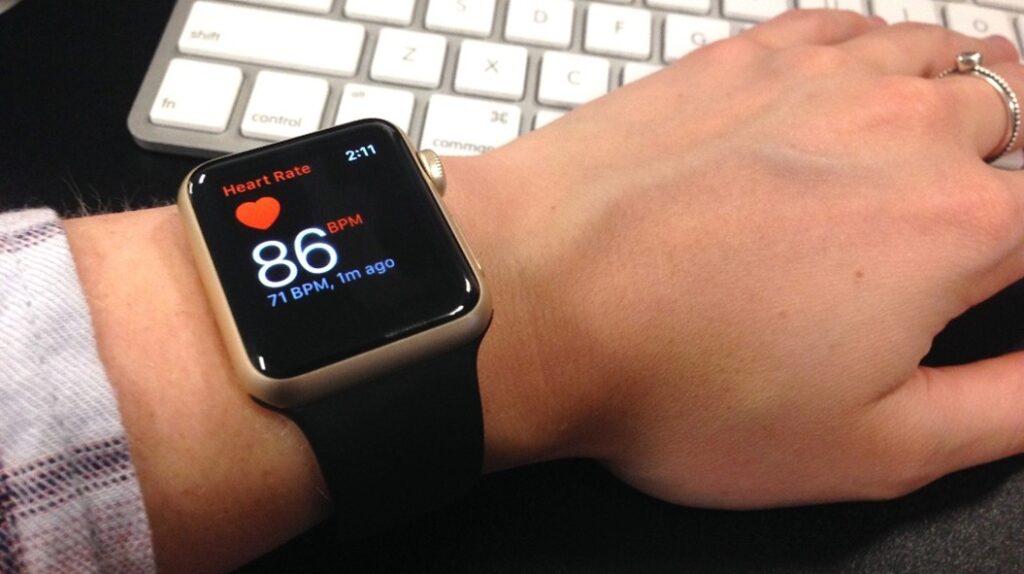
The rise of wearable technology—from the Apple Watch and Garmin to Oura rings and specialized fitness trackers—has fundamentally changed the patient-doctor relationship. We have moved from a world where you only saw your heart rate once a year during a physical exam to a world where your heart is being monitored every single second. While this “Virtual Safety Net” is a powerful tool for preventive health, it is essential to remember that a $400 consumer device is not a substitute for a decade of medical school and specialized clinical experience.
To protect your heart in this high-tech era, you need to understand the “Hierarchy of Data.” You need to know what your watch is telling you, what it is hiding, and exactly when you should transition from looking at your screen to sitting in a cardiologist’s office.
The Power of the Lens: What Your Wearable Does Best
Modern wearables use a technology called photoplethysmography (PPG). Essentially, they use green LED lights to measure the expansion of your blood vessels with every heartbeat. In 2026, the algorithms processing this data have become incredibly sophisticated, making them excellent tools for specific types of monitoring.
- Identifying Long-Term Trends
A cardiologist loves to see trends. While a single heart rate reading in a clinic is just a snapshot, your watch provides a movie. It can show how your resting heart rate (RHR) has gradually decreased as you’ve improved your fitness, or how it has spiked during periods of high stress or illness. These trends are invaluable for “Biohacking Stress” and understanding your overall cardiovascular resilience.
- Detecting Silent AFib
The most significant clinical contribution of the Apple Watch and similar devices is the detection of Atrial Fibrillation (AFib). AFib is an irregular, often rapid heart rate that can cause blood clots in the heart. Because AFib can be “paroxysmal” (it comes and goes), it is notoriously hard to catch during a brief clinic visit. If your watch repeatedly flags an irregular rhythm, it is a high-priority signal that needs a clinical follow-up.
- Measuring Sleep Quality and Recovery
Wearables provide deep insights into your Autonomic Nervous System (ANS) through metrics like Heart Rate Variability (HRV). By tracking how your heart recovers during sleep, these devices can tell you if you are overtraining, sleep-deprived, or heading toward a burnout. This is a critical “desk-fix” for professionals working 10-hour shifts in Pune’s IT corridors.
The “Hardware” Gap: Where Your Watch Hits a Wall
Despite the marketing, your wearable has significant biological limitations. There are critical heart signals that a wrist-based sensor simply cannot detect, no matter how advanced the software becomes.
- The Ischemia Blind Spot
A watch cannot tell if your arteries are clogged. You can have a “Normal Sinus Rhythm” and a perfect resting heart rate on your Apple Watch while having a 90% blockage in your coronary artery. Wearables measure the rhythm of the pump, but they cannot see the plumbing. This is why a negative alert on your watch is not a substitute for a Treadmill Test (TMT), which evaluates how your heart handles physical stress.
- Structural and Valve Issues
If you are suffering from Aortic Stenosis—a narrowing of the heart valve often seen in seniors—your watch will likely show nothing unusual until the condition is very advanced. Detecting the need for a Transcatheter Aortic Valve Implantation (TAVI) requires an echocardiogram (an ultrasound of the heart) and a physical examination by a specialist who can listen to the “murmur” of the blood flow.
- The Accuracy of “Spike” Data
Wearables are prone to “noise.” If you are moving vigorously, if the watch strap is loose, or if you have cold hands, the sensors can misread your heart rate. Many patients rush to the emergency room because their watch showed a heart rate of 190 BPM, only to find it was a sensor error caused by a glitch in the PPG lens.
Clinical Consensus: The “Feel vs. File” Rule
According to recent research in the AHA Journals and various metabolic health studies, the most important rule of the wearable era is this: Symptoms always trump sensors.
- If the watch says you are “Fine” but you feel chest pain, breathlessness, or dizziness: Ignore the watch. Call the clinic immediately. The watch is likely missing a structural or plumbing issue that it isn’t designed to see.
- If the watch says “Alert” but you feel “Fine”: Stay calm, but don’t ignore it. This is the “Virtual Safety Net” at work. Take a manual pulse at your neck or wrist to confirm the reading. If the alert persists, book a consultation to determine if the device has caught an asymptomatic (silent) issue like AFib.
The goal of modern cardiology at Cardium is to merge these two worlds. We don’t want you to throw away your watch; we want to use that data as a “first responder” that prompts you to seek authoritative, clinical answers.
When to Call the Clinic: A 2026 Checklist
If you use a wearable, you should seek professional evaluation at Cardium Heart Care, in the following scenarios:
- Consistent Irregular Rhythm Notifications: Even if you feel fine, AFib increases stroke risk and needs clinical management.
- Unexplained Resting Heart Rate Changes: If your RHR has jumped by 10-15 beats per day without a change in your activity or health, it may signal an underlying thyroid, metabolic, or cardiac issue.
- Low HRV Over Time: A consistently declining Heart Rate Variability is a red flag for chronic stress and autonomic dysfunction, which can lead to long-term heart rhythm problems.
- The “Gap” Checkup: If you are over 35 and have never had a professional cardiac screening (including an ECG and TMT), you should not rely on your watch to tell you that you are “safe.” You need to establish a clinical baseline.
Conclusion: The Hybrid Path to Longevity
In 2026, the healthiest patients are those who embrace a hybrid approach. They use their Apple Watch or wearable to stay motivated, track their sleep, and monitor for silent rhythm changes, but they trust their cardiologist to manage the complex “hardware” and “plumbing” of their heart.
Your watch is a brilliant assistant, but it is not a doctor. It can alert you to a potential problem, but it cannot perform the precision diagnostics or the minimally invasive repairs that save lives.
Don’t let digital data replace clinical depth. Use your wearable to start the conversation, and then let the experts at Cardium finish it. We are here to help you decode what your wrist is telling you and ensure that your “Virtual Safety Net” is backed by the most authoritative heart care available.
Contact Information (NAP)
Dr. Rahul Gupta Cardium Heart Care
Address: Shop No. 1 & 2, Intercity CHS, Swami Samarth Marg, behind Fire Brigade, Juhu Nagar, Sector-16, Vashi, Navi Mumbai, Maharashtra 400703
Phone no: 09869325666
Recent Posts
-
The “Bio-Precision” Revolution: How Your Genetics Now Dictate Your Custom Cardiac Medication
-
 Your Apple Watch vs. Your Cardiologist: When to Trust Your Wearable and When to Call the Clinic
-
 Augmented Reality in the Cath Lab: How Dr. Rahul Gupta Uses 3D Heart Models for Precision Surgery
-
 The “Virtual Safety Net”: How Cardium’s AI-Powered Remote Monitoring Prevents Hospital Visits
-
 Stem Cell Therapy 2026: Can We Actually Regenerate a Damaged Heart Muscle?