The 10-Minute TMT: What Your Stress Test Result Actually Says About Your 10-Year Heart Risk
Your heart is a silent worker that only reveals its true character under pressure; those 10 minutes on a treadmill could be the difference between a proactive decade of health and a sudden, life-altering emergency.
In the modern corporate hubs of Vashi, Navi Mumbai, and the sprawling IT corridors of Pune, we are experts at managing external pressure. We handle “stress tests” every day in the form of quarterly reviews, project deadlines, and fluctuating markets. However, the most critical stress test you will ever take doesn’t happen in a boardroom—it happens on a treadmill at a cardiology clinic.
The Treadmill Test (TMT), often referred to as a Cardiac Stress Test, is one of the most widely used diagnostic tools in cardiovascular medicine. Yet, for many patients, it remains a source of confusion. Is it just an exercise test? Why does it only last ten minutes? And what does it actually tell a cardiologist about your future?
When you step onto that belt, you aren’t just walking; you are providing a high-definition map of your heart’s functional capacity. Those ten minutes offer a “stress-test” for your coronary arteries, revealing vulnerabilities that a resting ECG or a standard physical exam simply cannot detect.
The Science of the “Stress”: How the TMT Works
At rest, even a partially blocked heart can often provide enough blood to keep you feeling “fine.” This is why many people who suffer sudden cardiac events often had a “normal” resting ECG just weeks prior. The TMT is designed to break this mask of normalcy.
By gradually increasing the physical demand on your body—and consequently, your heart—the TMT forces your heart to pump harder and faster. If there is a significant narrowing in your coronary arteries (ischemia), the heart muscle will begin to starve for oxygen under this increased workload. This “starvation” creates specific electrical changes that are captured in real-time by the ECG leads attached to your chest.
The Bruce Protocol: The 3-Minute Stages
The TMT follows a standardized scientific framework known as the Bruce Protocol. Every three minutes, the speed and the incline (slope) of the treadmill increase.
- Stage 1: A brisk walk on a slight incline.
- Stage 2 & 3: The intensity ramps up significantly. This is usually where the “diagnostic gold” is found.
- The Peak: The goal is to reach at least 85% of your maximum predicted heart rate (calculated as 220 minus your age).
If your heart can navigate these stages without electrical glitches or physical symptoms, it provides a high level of confidence in your current cardiovascular “plumbing.”
Decoding the Numbers: What Your Results Actually Mean
When you receive your TMT report, you will see several terms. Understanding these is vital for your long-term health strategy.
- The “Negative” Result (The Good News)
A negative TMT means that your heart was able to reach its target workload without showing signs of oxygen deprivation (ischemia). It suggests that your major coronary arteries are likely clear enough to handle significant stress. However, as any authoritative cardiologist will tell you, a negative TMT is not a “get out of jail free” card. It measures flow, not plaque. You can still have minor plaque buildup that hasn’t yet restricted flow but could rupture in the future.
- The “Positive” Result (The Warning)
A positive TMT indicates that the ECG recorded significant changes (typically ST-segment depression) during exercise. This is a red flag. it suggests that your heart muscle is not getting enough blood when you move. This result usually triggers a need for further investigation, such as a CT Coronary Angiogram or a conventional angiography, to locate the exact blockage.
- METs: The Predictor of the Decade
Perhaps the most overlooked number on your report is METs (Metabolic Equivalents). This is a measure of your exercise capacity.
- High Capacity (>10 METs): This is associated with excellent long-term survival.
- Low Capacity (<5 METs): Clinical research consistently shows that individuals who cannot achieve 5 METs on a stress test have a significantly higher risk of cardiovascular mortality over the next 10 years, regardless of whether the ECG was “positive” or “negative.”
Your MET score is essentially a “fitness age” for your heart. In the context of 2024–2026 cardiovascular guidelines, exercise capacity is now recognized as one of the strongest independent predictors of all-cause mortality.
Why 10 Minutes Predicts 10 Years
The TMT is a window into your “Cardiovascular Reserve.” If you are a professional in Vashi or Pune, dealing with high-stress environments and potentially sedentary habits, your reserve might be lower than you think.
Recent systematic reviews in cardiovascular journals indicate that “Heart Rate Recovery” (how fast your heart rate drops in the first 60 seconds after you stop the treadmill) is a critical marker. A slow recovery is often a sign of a dysfunctional autonomic nervous system, which is a major risk factor for sudden cardiac death over the following decade.
This is why the TMT is a cornerstone of Cardium’s preventive approach. We don’t just look at the lines on the paper; we look at the functional resilience of the human being.
The Limitations: When a TMT Isn’t Enough
While the TMT is an excellent first-line screen, it has its limits. “False positives” can occur, particularly in women or individuals with certain baseline ECG abnormalities. Conversely, “false negatives” can happen if a patient is on certain medications (like beta-blockers) that prevent the heart rate from rising sufficiently.
For patients who show signs of severe structural heart issues or those for whom a treadmill test is physically impossible, modern cardiology offers more advanced pathways. In cases where valve issues are detected alongside coronary concerns, revolutionary procedures like Transcatheter Aortic Valve Implantation (TAVI) allow for repair without the trauma of open-heart surgery, highlighting how far we have come from simple treadmill diagnostics.
Actionable Steps: Taking Control of Your Risk
If you are over 35 and have a sedentary job, a family history of heart disease, or high stress levels, a TMT is a non-negotiable part of your annual health audit.
- Don’t wait for symptoms: Heart disease is a silent architect. By the time you feel chest pain, the damage is often advanced.
- Know your METs: Aim to improve your exercise capacity. A higher MET score is a protective shield for your future self.
- Consult an Authoritative Expert: A stress test is only as good as the clinician interpreting it. You need someone who can look at the blood pressure response, the heart rate recovery, and the ECG markers as a whole.
For residents of Navi Mumbai and the surrounding corporate sectors, access to world-class diagnostic care is essential. Whether you are seeking a baseline screening or a detailed second opinion, the team at Cardium Heart Rate provides the precision and expertise required to decode your heart’s hidden signals.
Your 10-year heart risk isn’t written in stone; it’s written in your lifestyle and your data. Spend 10 minutes on the treadmill today so you can enjoy the next decade with total peace of mind.
Contact Information (NAP)
Dr. Rahul Gupta Cardium Heart Care
Address: Shop No. 1 & 2, Intercity CHS, Swami Samarth Marg, behind Fire Brigade, Juhu Nagar, Sector-16, Vashi, Navi Mumbai, Maharashtra 400703
Phone no: 09869325666
Recent Posts
-
 Stem Cell Therapy 2026: Can We Actually Regenerate a Damaged Heart Muscle?
 -
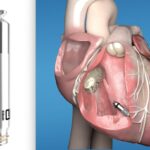 Pacemakers in 2026: Why the Latest Leadless Devices are Practically Invisible Under the Skin
 -
 The 10-Minute TMT: What Your Stress Test Result Actually Says About Your 10-Year Heart Risk
 -
 How Advanced Heart Care is Giving Pune’s Grandparents a Second Lease on Life
 -
 Stent vs. Bypass: How AI-Guided Imaging Helps Dr. Rahul Gupta Make the “Perfect” Choice for You