The Hidden Signs of Heart Disease You Shouldn’t Ignore
Heart disease remains one of the leading causes of death worldwide, yet many people overlook its early warning signs. Contrary to popular belief, heart problems don’t always begin with dramatic chest pain or sudden collapse. In many cases, the symptoms are subtle, gradual, and easy to dismiss as stress, fatigue, or minor health issues. Recognizing these hidden signs early can make a life-saving difference.
If you live in or around Navi Mumbai, being aware of these warning signs and seeking timely medical attention from a qualified cardiologist can help prevent serious complications.
- Unusual Fatigue
Everyone feels tired occasionally. However, persistent and unexplained fatigue—especially if it interferes with daily activities—can be an early warning sign of heart disease. When the heart struggles to pump blood efficiently, your muscles and organs receive less oxygen, leading to constant exhaustion.
Women, in particular, often report extreme fatigue weeks before experiencing a heart attack. If you feel drained despite adequate rest, it’s important not to ignore it.
- Shortness of Breath
Shortness of breath during routine activities—like climbing stairs or walking short distances—can indicate reduced heart function. When the heart cannot pump effectively, fluid may accumulate in the lungs, making breathing difficult.
Some people notice breathlessness while lying flat or wake up suddenly at night gasping for air. These are serious symptoms that require immediate medical evaluation.
- Chest Discomfort (Not Just Pain)
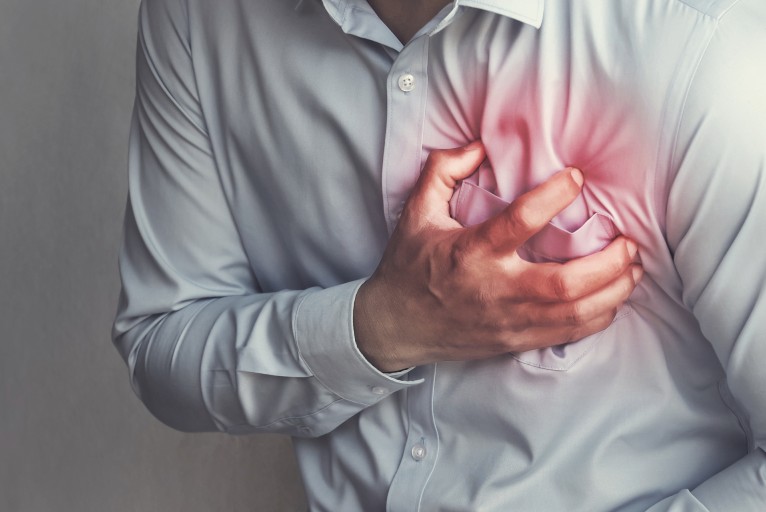
Chest pain is the most recognized symptom of heart disease, but it doesn’t always feel like sharp or severe pain. It may present as:
- Tightness
- Pressure
- Burning sensation
- Fullness
- Mild squeezing
The discomfort may come and go or last several minutes. Some individuals mistake it for acidity or indigestion. Any recurring chest discomfort should be evaluated by a heart specialist.
- Pain in Unusual Areas
Heart-related pain doesn’t always stay in the chest. It can radiate to:
- Jaw
- Neck
- Shoulders
- Arms (especially the left arm)
- Upper back
In some cases, particularly in women and older adults, this may be the only noticeable symptom. Ignoring these subtle signals can delay critical treatment.
- Swelling in Legs, Ankles, or Feet
When the heart weakens and cannot pump blood effectively, fluid may build up in the lower extremities. Swelling in the legs, ankles, or feet—especially if it develops gradually—can indicate heart failure.
While swelling can have multiple causes, persistent or worsening edema should never be ignored.
- Irregular Heartbeat or Palpitations
Occasional skipped beats are usually harmless. However, frequent palpitations, fluttering sensations, or a racing heart could signal arrhythmia. Certain heart rhythm disorders increase the risk of stroke or sudden cardiac arrest.
If your heartbeat feels irregular, rapid, or unusually strong without physical exertion, consult a cardiologist for proper evaluation.
- Dizziness or Lightheadedness
Feeling faint or dizzy can occur when the brain does not receive adequate blood flow. This may result from low blood pressure, arrhythmia, or other heart-related conditions.
If dizziness is accompanied by chest discomfort, shortness of breath, or fainting, seek immediate medical attention.
- Excessive Sweating
Cold sweats without physical exertion—especially when accompanied by other symptoms—can signal a heart attack. Many individuals mistake this for anxiety or stress. Sudden, unexplained sweating should always be taken seriously.
- Nausea or Indigestion
Some heart attack symptoms mimic digestive issues. Nausea, vomiting, stomach discomfort, or what feels like severe acidity may actually be cardiac-related—particularly when occurring alongside fatigue or chest discomfort.
This is especially common among women and elderly patients.
Who Is at Higher Risk?
You may be more prone to heart disease if you have:
- High blood pressure
- Diabetes
- High cholesterol
- Obesity
- A family history of heart disease
- Smoking habits
- Sedentary lifestyle
- Chronic stress
Even without symptoms, regular heart check-ups are essential if you fall into any of these categories.
Why Early Detection Matters
Heart disease develops gradually over years. Detecting it early allows for lifestyle changes, medications, or interventions that can prevent heart attacks, strokes, and heart failure.
Ignoring early signs can lead to severe complications that could have been prevented with timely diagnosis.
Modern diagnostic tools like ECG, 2D Echo, Stress Tests, and preventive heart screenings can identify problems before they become life-threatening.
When Should You See a Cardiologist?
You should consult a heart specialist if you experience:
- Recurrent chest discomfort
- Unexplained fatigue
- Breathlessness
- Swelling in legs
- Irregular heartbeat
- Family history of heart disease
If you are located in Kharghar or nearby areas of Navi Mumbai, seeking expert care at a trusted heart clinic can ensure accurate diagnosis and proper management.
Conclusion
Heart disease rarely announces itself loudly in its early stages. Instead, it whispers through subtle symptoms—fatigue, mild chest discomfort, breathlessness, or unexplained sweating. Listening to your body and acting promptly can save your life.
Dr. Rahul R. Gupta
Cardium Advanced Heart Care Clinic, Kharghar , Sector-16, Vashi, Parel,Mumbai,
Your heart works tirelessly for you—don’t ignore the signs when it asks for attention.
Recent Posts
-
 Stem Cell Therapy 2026: Can We Actually Regenerate a Damaged Heart Muscle?
 -
 Pacemakers in 2026: Why the Latest Leadless Devices are Practically Invisible Under the Skin
 -
 The 10-Minute TMT: What Your Stress Test Result Actually Says About Your 10-Year Heart Risk
 -
 How Advanced Heart Care is Giving Pune’s Grandparents a Second Lease on Life
 -
 Stent vs. Bypass: How AI-Guided Imaging Helps Dr. Rahul Gupta Make the “Perfect” Choice for You