Can Anxiety Feel Like a Heart Attack? Understanding the Difference
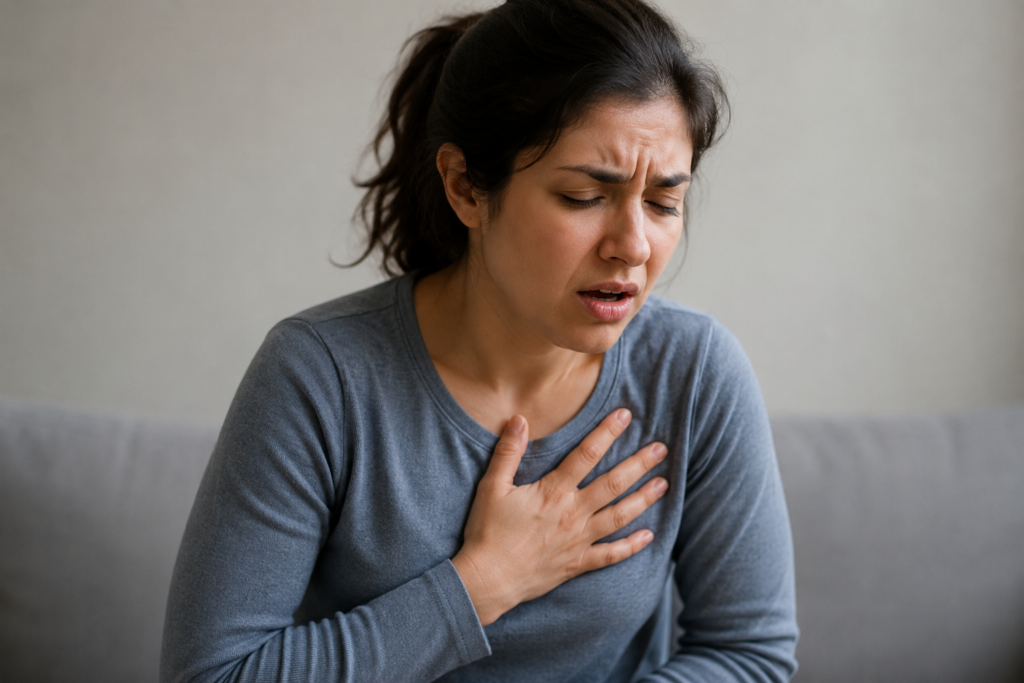
Chest discomfort, a fast heartbeat, or trouble breathing can feel extremely alarming. For many people, these symptoms immediately raise the fear of a heart attack. However, in several cases, these signs may actually be linked to anxiety or a panic episode.
Knowing how to tell the difference is important, because while both conditions need attention, they are managed in very different ways.
At Cardium – Heart Care Clinic, it is common for patients to feel confused between anxiety-related symptoms and serious heart conditions. This guide will help you understand the key differences clearly.
What Happens During Anxiety or a Panic Attack?
Anxiety is the body’s response to stress or fear. When it becomes intense, it can trigger a panic attack—a sudden surge of fear accompanied by noticeable physical symptoms.
During this time, the body releases stress hormones like adrenaline. This prepares the body to react quickly, often referred to as the “fight or flight” response. As a result, physical sensations such as a racing heart, tight chest, or breathlessness can occur, which may feel very similar to heart-related problems.
What Is a Heart Attack?
A heart attack occurs when the blood supply to a part of the heart is blocked. This is usually due to the buildup of fatty deposits in the arteries. When blood flow is restricted, the heart muscle begins to suffer damage.
This is a medical emergency and requires immediate care to prevent serious complications.
Why the Symptoms Feel So Similar
The confusion between anxiety and a heart attack happens because both can produce overlapping symptoms.
When anxiety levels rise:
- The heart beats faster
- Breathing becomes shallow or rapid
- Muscles, especially in the chest, may tighten
These physical changes can create sensations that closely resemble heart problems. In addition, fear can make these sensations feel even more intense.
Comparing Symptoms
Signs of Anxiety or Panic Attack
- Sudden feeling of fear or uneasiness
- Fast or pounding heartbeat
- Chest discomfort that may feel sharp
- Shortness of breath
- Sweating, shaking, or dizziness
- Tingling sensations in hands or feet
- Symptoms usually settle within a short time
Signs of a Heart Attack
- Heavy or squeezing pain in the chest
- Pain spreading to the arm, neck, jaw, or back
- Discomfort that continues or increases over time
- Breathlessness even without activity
- Nausea or vomiting
- Cold sweating
- Extreme weakness or fatigue
Important Differences to Keep in Mind
Nature of Pain
Pain from anxiety is often sharp and limited to one area.
Heart attack pain feels like pressure or heaviness and may spread.
Duration
Panic-related symptoms usually peak quickly and reduce within minutes.
Heart-related symptoms last longer and may become more severe.
Cause or Trigger
Anxiety episodes are often linked to stress or emotional situations.
Heart attacks can occur without any clear warning.
Relief Pattern
Symptoms caused by anxiety may improve with relaxation or breathing exercises.
Heart attack symptoms typically do not improve with these methods.
When Should You Get Medical Help?
If you are unsure about your symptoms, it is always safer to seek medical attention.
Get immediate help if:
- Chest discomfort lasts more than a few minutes
- Pain spreads to other parts of the upper body
- You feel faint, extremely breathless, or weak
- Symptoms occur during physical activity
- You have a history of heart problems
At Cardium – Heart Care Clinic, diagnostic tests like ECG, 2D Echo, and stress testing help determine the exact cause quickly and accurately.
Can Anxiety Affect Heart Health Over Time?
Yes, long-term stress and anxiety can impact heart health indirectly. Constant stress may lead to:
- High blood pressure
- Increased heart rate
- Poor lifestyle choices
- Hormonal imbalance affecting the body
This makes stress management an important part of maintaining overall cardiovascular health.
Ways to Manage Anxiety Symptoms
If anxiety is the cause, simple lifestyle adjustments can help reduce symptoms:
Practice Controlled Breathing
Slow breathing helps calm the body and reduces panic symptoms.
Stay Active
Regular physical activity improves both mental and physical health.
Eat Mindfully
Reduce intake of caffeine and heavily processed foods.
Prioritize Sleep
Good sleep helps regulate stress levels.
Seek Professional Guidance
If symptoms occur frequently, consulting a healthcare professional is important.
Why Getting the Right Diagnosis Matters
Trying to guess the cause of symptoms can be risky. Ignoring a heart problem assuming it is anxiety can be dangerous. On the other hand, constant worry about heart disease can increase stress unnecessarily.
A proper medical evaluation ensures that you receive the correct treatment and peace of mind.
Final Thoughts
Anxiety and heart attacks can feel very similar, but they are not the same. Anxiety symptoms are usually temporary and related to stress, whereas heart attacks are serious emergencies that need immediate care.
If you ever feel unsure, do not ignore your symptoms. Seeking timely medical advice can make a critical difference.
At Cardium – Heart Care Clinic, patients receive accurate diagnosis, advanced care, and compassionate support for all heart-related concerns.
Phone no: +919869325666 ||+919115888111 || +919930008515
Recent Posts
-
 Stem Cell Therapy 2026: Can We Actually Regenerate a Damaged Heart Muscle?
 -
 Pacemakers in 2026: Why the Latest Leadless Devices are Practically Invisible Under the Skin
 -
 The 10-Minute TMT: What Your Stress Test Result Actually Says About Your 10-Year Heart Risk
 -
 How Advanced Heart Care is Giving Pune’s Grandparents a Second Lease on Life
 -
 Stent vs. Bypass: How AI-Guided Imaging Helps Dr. Rahul Gupta Make the “Perfect” Choice for You