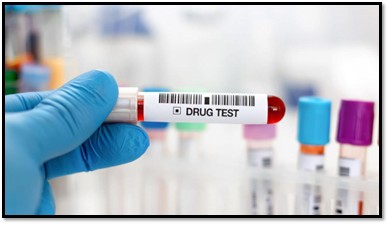
Lab-Grown Mini-Hearts: The 2026 Breakthrough That is Changing How We Test Heart Drugs
Imagine walking into a clinic, providing a simple blood sample, and returning a few weeks later to find a microscopic, beating replica of your exact heart growing in a laboratory dish. Now, imagine your cardiologist using this tiny organ to test exactly how your body will react to a life-saving medication before you ever swallow a single pill. It sounds like the plot of a science fiction movie, but in 2026, this is the frontier of cardiovascular medicine. The era of the “lab-grown mini-heart” has arrived, and it is permanently changing the landscape of cardiac care, drug safety, and personalized medicine.
For generations, the journey of bringing a new heart medication to the public has been fraught with challenges, largely due to the biological differences between human beings and the animal models traditionally used in testing. But today, the scientific community is experiencing a monumental paradigm shift. As cardiovascular disease remains a leading health challenge across high-stress urban environments like Mumbai and Pune, the demand for safer, highly personalized drug regimens has never been higher.
The widespread development and application of cardiac organoids—affectionately known as mini-hearts—is answering that call. Here is a comprehensive look into how this 2026 breakthrough is bridging the gap between cutting-edge biotechnology and everyday patient care, ensuring that your treatment is as unique as your DNA.
The Historic Flaw: Why Traditional Drug Testing Falls Short
To understand the magnitude of the mini-heart breakthrough, we must first examine the limitations of the old system. Historically, cardiovascular research and drug safety trials relied heavily on animal models, primarily mice. While these models have provided invaluable insights into basic biology, a mouse is not a human.
Recent systematic reviews and metabolic studies highlight a frustrating reality in pharmacology: a drug that successfully cures an arrhythmia or lowers blood pressure in a mouse model frequently fails when introduced to human clinical trials. The metabolic rates, ion channel functions, and cellular structures of animal hearts are fundamentally different from ours.
This biological discrepancy often leads to a phenomenon known as “cardiotoxicity.” Sometimes, drugs developed for entirely different conditions—such as cutting-edge oncology treatments or advanced antibiotics—carry hidden side effects that damage human heart tissue. By the time these toxicities are discovered, the drug has often already reached human trials, causing unintended harm. The medical community urgently needed a testing model that was 100% human, but without putting actual patients at risk.
The Cellular Miracle: How We Grow a Mini-Heart
The solution to this global medical challenge lies in a Nobel Prize-winning technology that has finally matured for clinical application in 2026: Induced Pluripotent Stem Cells (iPSCs).
The process is a marvel of modern bio-engineering. It completely bypasses the need for embryonic stem cells, relying instead on the patient’s own adult cells.
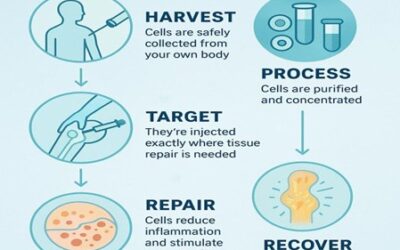
- Cellular Harvesting: A standard, routine blood draw is performed.
- Reprogramming: In the laboratory, scientists expose these adult blood cells to a specific cocktail of proteins. This process effectively acts as a biological “factory reset” button, rewiring the adult cells back into a versatile, embryonic-like state (the iPSC).
- Differentiation: These stem cells are then given chemical cues that mimic human embryonic development, instructing them to transform specifically into cardiomyocytes (heart muscle cells).
- 3D Assembly: Instead of growing these cells flat on a standard petri dish, scientists use advanced bio-scaffolds to encourage the cells to organize into a three-dimensional structure.
Within weeks, these cells naturally sync up and begin to beat spontaneously. They form a functional, microscopic cardiac organoid that possesses the exact genetic sequence of the patient who provided the original blood sample.
The “Clinical Trial in a Dish”: Precision Cardiology Realized
The implications of possessing a patient-specific mini-heart are staggering. We are officially entering the era of “Clinical Trials in a Dish.”
If a patient in Navi Mumbai requires a complex regimen of anti-arrhythmic drugs, cardiologists are no longer forced to rely on the traditional “trial-and-error” method—prescribing a standard dose and waiting to see if the patient suffers side effects. Instead, the medication is applied directly to the patient’s lab-grown mini-heart.
Researchers can instantly observe how the drug affects the organoid’s beating rhythm, its electrical pathways, and its overall cellular health. If the drug causes the mini-heart’s rhythm to stutter, the medical team knows instantly that the medication is toxic to that specific patient. They can pivot to a safer alternative immediately. This bio-precision testing guarantees that when a patient finally takes their prescribed medication, it is mathematically and biologically proven to be safe and effective for their unique physiological makeup.
Bridging the Gap: Structural Repairs and Pharmacological Support
The mini-heart revolution beautifully complements the other massive leaps we have seen in interventional cardiology. While structural heart diseases require physical repairs, the long-term success of those repairs relies entirely on precision pharmacology.
For instance, when senior patients undergo advanced, minimally invasive structural repairs like Transcatheter Aortic Valve Implantation (TAVI) replacing the faulty hardware is only half the battle. The patient must then be placed on specific blood thinners and cardiovascular medications to ensure the new valve functions flawlessly within their system. Testing these critical post-operative drugs on cardiac organoids ensures that the patient’s recovery is completely safeguarded against adverse drug reactions.
Furthermore, these advanced laboratory diagnostics work hand-in-hand with functional clinical assessments. A patient’s cardiovascular profile is most complete when cellular data (from mini-hearts) is combined with physical performance data, such as the results from a comprehensive stress test, to evaluate how the heart manages systemic physical exertion.
FAQ: Demystifying Lab-Grown Cardiac Testing
As with any highly advanced biotechnology, patients naturally have questions about how this fits into their immediate healthcare reality.
Q: Are these mini-hearts actually alive?
A: Yes, they are composed of living, beating human tissue. However, they are microscopic—usually no larger than a sesame seed. They do not have consciousness, a nervous system, or a full circulatory system; they are purely functional models of heart muscle tissue.
Q: Is this technology available for everyday prescriptions right now?
A: In 2026, the primary use of mini-hearts is in broad pharmaceutical drug development and for patients with complex, rare, or highly resistant genetic heart conditions. However, the technology is scaling rapidly, and patient-specific testing is becoming increasingly accessible at specialized, advanced cardiac research centers.
Q: Will this replace human clinical trials entirely?
A: While it will drastically reduce the need for animal testing and make human trials exponentially safer, it will not replace human trials entirely in the near future. The human body is a complex ecosystem where the liver, kidneys, and heart all interact. Mini-hearts are a profound safety filter, but full systemic trials remain a regulatory necessity.
Authoritative Care in the Modern Age
Navigating the future of heart health requires partnering with institutions that not only understand the foundational principles of cardiology but are actively engaged with the scientific advancements defining the next decade. You deserve care that leaves absolutely no room for guesswork.
At Cardium , the commitment to patient safety and precision medicine drives every clinical decision. By integrating global research standards with a deeply empathetic, patient-first approach, the clinical team ensures that your cardiovascular health is managed with the most accurate, advanced tools available in modern medicine.
The heart you have is the only one you get. Through the breakthroughs of 2026 and beyond, medical science is finally learning how to protect it with absolute precision. To learn more about customized cardiac care and advanced diagnostic pathways, explore the authoritative services at Cardium Heart Care.
Partner with the Experts in Precision Cardiology
Do not leave your cardiovascular health to chance or outdated methodologies. Connect with our specialized team to build a heart health strategy grounded in modern science.
Dr. Rahul Gupta Cardium Heart Care
Address: Shop No. 1 & 2, Intercity CHS, Swami Samarth Marg, behind Fire Brigade, Juhu Nagar, Sector-16, Vashi, Navi Mumbai, Maharashtra 400703
Phone no: 09869325666
Recent Posts
-
 Lab-Grown Mini-Hearts: The 2026 Breakthrough That is Changing How We Test Heart Drugs
-
The “Bio-Precision” Revolution: How Your Genetics Now Dictate Your Custom Cardiac Medication
-
 Your Apple Watch vs. Your Cardiologist: When to Trust Your Wearable and When to Call the Clinic
-
 Augmented Reality in the Cath Lab: How Dr. Rahul Gupta Uses 3D Heart Models for Precision Surgery
-
 The “Virtual Safety Net”: How Cardium’s AI-Powered Remote Monitoring Prevents Hospital Visits