TAVI at 70: How Advanced Heart Care is Giving Pune’s Grandparents a Second Lease on Life
For many of Pune’s seniors, the age of 70 is a milestone meant for relaxed morning walks at Chittaranjan Vatika, watching sunsets at Vetal Tekdi, and spending endless hours playing with grandchildren. But for those living with severe Aortic Stenosis, a shadow falls over these golden years. Life begins to shrink. The vibrant energy of retirement is suddenly replaced by a terrifying breathlessness that makes a simple walk to the kitchen feel like running a marathon. But what if you could repair your heart and rewind the clock on your energy levels without a single major surgical incision?
In the heart of every senior citizen is a lifetime of resilience, stories, and strength. However, even the strongest heart is subject to the mechanical wear and tear of time. As we age, the critical valves that govern the flow of blood through our cardiovascular system can begin to fail. For decades, the only solution to this mechanical failure was open-heart surgery—a daunting, highly invasive prospect that terrified many elderly patients and their families.
Today, the landscape of cardiovascular medicine has fundamentally shifted. A revolutionary, minimally invasive procedure known as Transcatheter Aortic Valve Implantation (TAVI) is changing the narrative for Pune’s aging population. It is no longer just about surviving a heart condition; it is about completely restoring independence and vitality. Here is a deep, comprehensive dive into how advanced cardiac care is giving grandparents their lives back.
The Mechanical Failure of the Aging Heart: Understanding Aortic Stenosis
To truly appreciate the miracle of modern heart interventions, we must first understand the problem they solve. Your heart has four valves, but the aortic valve is the primary gatekeeper. Every time your left ventricle pumps, this valve opens to allow oxygen-rich blood to surge out into the aorta and travel to the rest of your body.
Over seven decades of life, this valve opens and closes over 2.5 billion times. This relentless mechanical stress, combined with natural metabolic changes, often leads to the accumulation of calcium deposits on the delicate leaflets of the valve. Over time, the leaflets become stiff, thick, and calcified. The valve can no longer open fully. This condition is known as Severe Aortic Stenosis.
When the gateway narrows, the heart faces a massive physiological crisis. The left ventricle has to generate extreme pressure to force blood through the tiny opening. This chronic strain causes the heart muscle to thicken (hypertrophy) and eventually weaken.
The “Silent” Progression and the Danger of Ignoring Symptoms
Aortic stenosis is notorious for being a silent progression. The human body is remarkably adept at compensating for the narrowing valve. Seniors often unconsciously adapt to the disease by simply slowing down—taking the elevator instead of the stairs, walking slower, or resting more often—attributing this decline to “just getting older.”
However, clinical research across global cardiovascular networks issues a stark warning: once physical symptoms appear, the disease has reached a critical, life-threatening stage. These symptoms include:
- Severe Dyspnea: Unexplained shortness of breath, especially when lying down or during mild exertion.
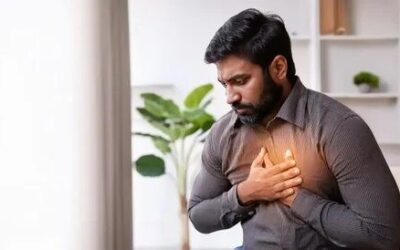
- Angina: A heavy, tight, or burning sensation in the chest due to the overworked heart muscle not getting enough oxygen.
- Syncope: Episodes of sudden dizziness, lightheadedness, or fainting, caused by a sudden drop in blood pressure when the valve fails to let enough blood through to the brain.
- Profound Fatigue: A crushing tiredness that does not improve with sleep.
Without intervention, the prognosis for symptomatic severe aortic stenosis is grim, often carrying a lower survival rate than many advanced forms of cancer. The valve absolutely must be replaced.
The TAVI Revolution: Heart Repair Without the Open-Chest Trauma
Historically, replacing the aortic valve meant Surgical Aortic Valve Replacement (SAVR). This required a sternotomy—sawing open the breastbone—stopping the heart, placing the patient on a heart-lung bypass machine, and enduring a grueling recovery process that could take months. For a frail 70 or 80-year-old patient with other age-related health issues, the physical and neurological toll of this surgery was often considered too high a risk.
Enter the era of precision, minimally invasive cardiology.
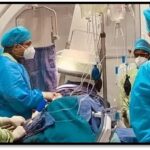
Transcatheter Aortic Valve Implantation (TAVI)—also referred to as TAVR—bypasses the need for traditional surgery entirely. Instead of opening the chest, an interventional cardiologist accesses the heart through a small puncture, usually in the femoral artery located in the groin.
Using highly advanced, real-time imaging for guidance, a thin, flexible tube called a catheter is threaded through the blood vessels up to the heart. Packed tightly inside the tip of this catheter is a fully functional, biological replacement valve (usually made of specially treated bovine or porcine tissue).
Once the catheter reaches the exact location of the diseased aortic valve, the new valve is precisely expanded—either by inflating a tiny balloon or through a self-expanding metal frame. The immense outward force of the new valve pushes the old, calcified leaflets out of the way, pinning them against the artery wall. The new valve takes over the job of regulating blood flow instantaneously.
The entire procedure is usually completed in under two hours, and critically, it is performed while the patient’s heart is still beating naturally.
5 Reasons TAVI is the Ultimate Choice for Pune’s Seniors
For the active, community-driven senior population in Pune, TAVI is not just a medical alternative; it is the definitive gold standard for restoring quality of life. Here is why this procedure is rapidly replacing open-heart surgery for older adults:
- The Power of Rapid Recovery
In traditional surgery, patients face a week in the hospital and months of restricted movement while their breastbone heals. With TAVI, the recovery is astonishingly fast. Many patients are sitting up and eating within hours of the procedure. They are typically walking the hospital corridors the very next day and are discharged back to their own homes within 48 to 72 hours.
- Elimination of Surgical Pain
Because there is no sternotomy and no massive surgical wound, the post-procedural pain is incredibly low. Patients might experience a small bruise at the catheter insertion site in the groin, but there is no broken bone to heal. This drastic reduction in pain means seniors do not need heavy narcotic painkillers, which often cause severe digestive issues, lethargy, and cognitive confusion in older adults.
- Lower Risk of Stroke and Bleeding
Major open-heart surgery requires placing the patient on a cardiopulmonary bypass machine. While life-saving, this machine can sometimes increase the risk of neurological events (like strokes) and systemic inflammation. By avoiding the bypass machine entirely, TAVI minimizes these severe risks, offering a safer profile for fragile patients.
- Preservation of Cognitive Function
Many seniors fear the “brain fog” or cognitive decline that can follow long hours under deep general anesthesia during open-heart surgery. TAVI is frequently performed using “conscious sedation” or very light anesthesia. Patients wake up faster, clearer, and with their cognitive faculties fully intact, ready to converse with their families immediately.
- Immediate Hemodynamic Relief
The psychological impact of TAVI is as profound as the physical. Patients who have spent months or years feeling like they are suffocating under the weight of a failing heart often report an immediate, miraculous rush of energy. The breathlessness vanishes almost as soon as the new valve opens. The transformation from a bed-bound patient to an active grandparent is rapid and deeply emotional for the entire family.
Frequently Asked Questions: Easing Family Concerns
When families are evaluating a high-tech procedure for an elderly parent, clarity and authoritative answers are essential.
Q: Is a 75-year-old patient too weak or too old for TAVI?
A: Age is not a barrier to TAVI; in fact, the procedure was specifically engineered for patients in their 70s, 80s, and even 90s who are deemed too frail for traditional surgery. Cardiologists evaluate the overall biological health and frailty of the patient, not just the number on their birth certificate.
Q: How durable is the TAVI replacement valve?
A: This is a common and valid concern. Extensive, long-term clinical data now confirms that modern transcatheter valves have exceptional durability. They are designed to function flawlessly for many years, easily matching the required lifespan and providing absolute cardiovascular stability for senior patients.
Q: Does TAVI cure the underlying heart disease?
A: TAVI definitively cures the mechanical problem of Aortic Stenosis. However, seniors must still maintain heart-healthy habits, manage their blood pressure, and attend regular cardiology follow-ups to protect their overall cardiovascular and metabolic health.
Authoritative Care: Choosing the Right Experts in Navi Mumbai
The TAVI procedure is a masterpiece of modern medical engineering, but the technology is only as effective as the hands that deploy it. Navigating a catheter through the vascular system of an elderly patient and deploying a valve with millimeter precision requires an exceptional level of skill, advanced clinical training, and a dedicated, multidisciplinary heart team.
For families seeking the highest global standards of structural heart interventions, choosing an authoritative, specialized center is paramount. This is where the expertise of a dedicated interventional cardiologist becomes invaluable. Leading institutions focus on a “patient-first” philosophy, ensuring that every senior undergoes a rigorous, AI-guided pre-procedural imaging assessment to guarantee that TAVI is the perfect, safest fit for their unique anatomy.
For comprehensive, compassionate, and cutting-edge cardiovascular care, families trust the renowned expertise of cardium .Their specialized team is dedicated to giving seniors back their strength, their breath, and their independence. Discover how advanced structural heart therapies can transform your family’s future by exploring the world-class services at Cardium Heart Rate
Do not let a treatable valve condition dictate the terms of your retirement. With advanced medical care, the age of 70 is not the end of the road; it is simply the beginning of a vibrant, active new chapter.
Dr. Rahul Gupta Cardium Heart Care
Address: Shop No. 1 & 2, Intercity CHS, Swami Samarth Marg, behind Fire Brigade, Juhu Nagar, Sector-16, Vashi, Navi Mumbai, Maharashtra 400703
Phone no: 09869325666
Recent Posts
-
 How Advanced Heart Care is Giving Pune’s Grandparents a Second Lease on Life
 -
 Stent vs. Bypass: How AI-Guided Imaging Helps Dr. Rahul Gupta Make the “Perfect” Choice for You
 -
 The “Wrist-First” Advantage: Why Radial Angiography Means You Can Walk Out the Same Day
 -
 Valve Repair Without the Scar: Why TAVI is the New Gold Standard for Pune’s Seniors
 -
 Biohacking Stress: Can Pune’s Corporate Professionals Use Vagus Nerve Stimulation to Protect Their Hearts?