What Is TAVR? A Non-Surgical Heart Valve Replacement Explained
Heart valve disease can silently affect how well your heart works, often showing symptoms only when the condition becomes serious. When the heart cannot pump blood efficiently, it can lead to fatigue, breathlessness, and other complications that impact daily life. Earlier, the only solution for severe valve disease was open-heart surgery—a major procedure with longer recovery and higher risks, especially for elderly patients.
Today, with advancements in medical technology, a safer and less invasive option called TAVR (Transcatheter Aortic Valve Replacement) is transforming heart care. At Cardium – Heart Care Clinic | Heart Specialist, Cardiologist in Kharghar, Raigad, Vashi and Parel East, patients now have access to advanced treatments like TAVR that focus on faster recovery, minimal discomfort, and better outcomes.
Understanding TAVR in Simple Terms
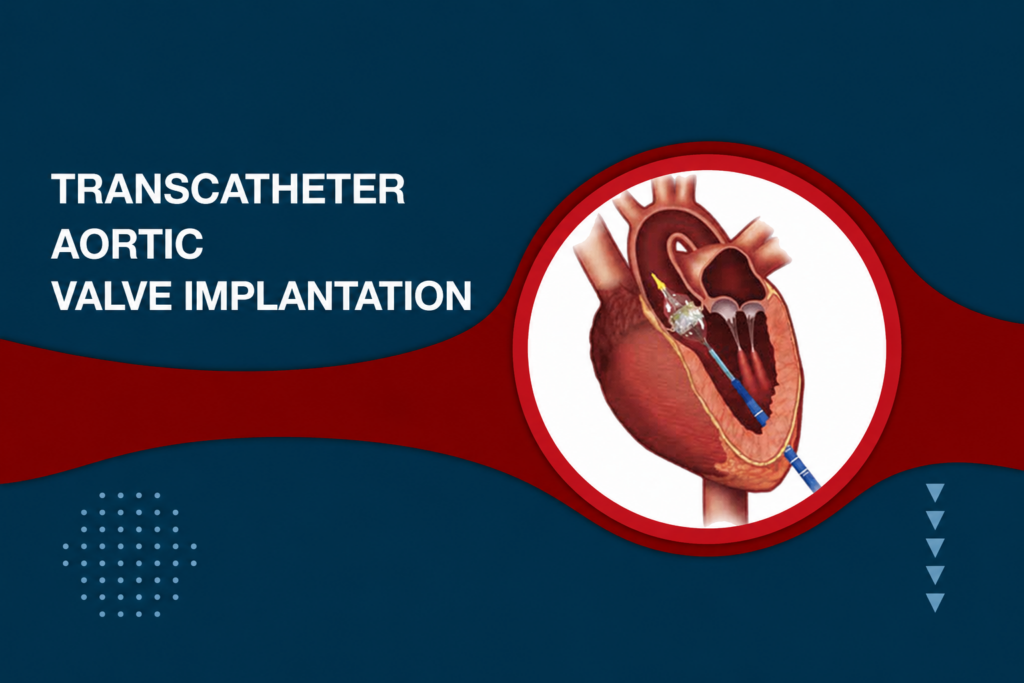
TAVR is a minimally invasive procedure used to replace a damaged aortic valve without the need for open-heart surgery. The aortic valve is responsible for regulating blood flow from the heart to the rest of the body. When it becomes stiff or narrowed—a condition known as aortic stenosis—it restricts blood flow and puts extra pressure on the heart.
With TAVR, doctors use a thin catheter inserted through a small incision, usually in the leg, to reach the heart. A new valve is then placed inside the damaged one, allowing normal blood flow to resume almost immediately.
Why Is TAVR Needed?
TAVR is mainly recommended for patients suffering from severe aortic stenosis. The symptoms may develop gradually but can worsen over time if left untreated.
Patients often experience chest discomfort, shortness of breath, unusual tiredness even after mild activity, dizziness, or fainting. In some cases, irregular heartbeats may also occur. These signs should not be ignored, and early medical evaluation is essential.
At Cardium – Heart Care Clinic | Heart Specialist, Cardiologist in Kharghar, Raigad, Vashi and Parel East, early diagnosis and timely treatment help prevent serious complications like heart failure.
How the TAVR Procedure Works
The TAVR procedure is designed to be precise and patient-friendly. It begins with a small incision, typically made in the groin area, through which a catheter is inserted into a blood vessel. Using advanced imaging, the catheter is carefully guided to the heart.
Once it reaches the aortic valve, a new artificial valve is positioned inside the existing damaged valve. The new valve starts functioning immediately, restoring proper blood flow. The entire procedure is usually completed within a few hours and does not require opening the chest.
TAVR vs Open-Heart Surgery
Compared to traditional open-heart surgery, TAVR offers several advantages. It is minimally invasive, involves no large chest incision, and allows for a much quicker recovery. Patients generally experience less pain and a shorter hospital stay.
Because of these benefits, TAVR is becoming a preferred treatment option, especially for elderly patients or those with additional health concerns.
Who Is Eligible for TAVR?
TAVR is suitable for patients diagnosed with severe aortic stenosis, particularly those who are considered high-risk for traditional surgery. It is often recommended for elderly individuals and patients with other medical conditions.
However, not everyone is an ideal candidate. A detailed evaluation is necessary to determine the most appropriate treatment approach. At Cardium – Heart Care Clinic | Heart Specialist, Cardiologist in Kharghar, Raigad, Vashi and Parel East, experienced cardiologists carefully assess each patient before recommending TAVR.
Benefits of TAVR
One of the biggest advantages of TAVR is that it reduces the physical stress associated with major surgery. Recovery is much faster, and most patients are discharged within a few days. Many individuals notice a significant improvement in symptoms such as breathlessness and fatigue.
TAVR also improves overall quality of life, making it an excellent option for patients who may not be suitable for open-heart surgery.
Are There Any Risks?
Although TAVR is considered safe, like any medical procedure, it does carry some risks. These may include bleeding, infection, irregular heartbeat, or, in rare cases, stroke.
Choosing a trusted and experienced center like Cardium – Heart Care Clinic | Heart Specialist, Cardiologist in Kharghar, Raigad, Vashi and Parel East helps minimize these risks and ensures better outcomes.
Recovery After TAVR
Recovery after TAVR is generally smooth and quick. Most patients stay in the hospital for about two to five days and can gradually return to their daily routine.
Regular follow-ups are important to monitor recovery, and patients often notice improved energy levels and overall well-being within a short time.
Maintaining Heart Health After TAVR
Even after a successful procedure, maintaining a healthy lifestyle is essential. Eating a balanced diet, staying physically active, managing stress, and avoiding smoking or alcohol all contribute to long-term heart health.
Following your doctor’s advice and taking medications as prescribed also play a key role in ensuring lasting results.
Final Thoughts
TAVR has revolutionized the treatment of heart valve disease by offering a safer, less invasive alternative to traditional surgery. With faster recovery and excellent results, it has become a preferred choice for many patients.
If you or your loved ones are experiencing symptoms related to heart valve disease, do not delay seeking medical help. At Cardium – Heart Care Clinic | Heart Specialist, Cardiologist in Kharghar, Raigad, Vashi and Parel East, expert cardiologists provide advanced treatments like TAVR with a patient-first approach, helping individuals regain their health and quality of life.
Phone no: +919869325666 ||+919115888111 || +919930008515
Recent Posts
-
 Stem Cell Therapy 2026: Can We Actually Regenerate a Damaged Heart Muscle?
 -
 Pacemakers in 2026: Why the Latest Leadless Devices are Practically Invisible Under the Skin
 -
 The 10-Minute TMT: What Your Stress Test Result Actually Says About Your 10-Year Heart Risk
 -
 How Advanced Heart Care is Giving Pune’s Grandparents a Second Lease on Life
 -
 Stent vs. Bypass: How AI-Guided Imaging Helps Dr. Rahul Gupta Make the “Perfect” Choice for You