TAVI/TAVR: Heart Valve Replacement Without Open Heart Surgery
When someone hears “heart valve replacement,” the first thought is usually open-heart surgery. People imagine a long cut on the chest, weeks of bed rest, and a difficult recovery. That fear is understandable. Open-heart surgery is a major procedure, and not every patient is physically strong enough to go through it.
The good news is that heart treatment has changed a lot in recent years. Today, many patients—especially older individuals—can get a new heart valve without traditional surgery. This advanced method is called TAVI or TAVR.
If you or a family member has been told you have a valve problem, particularly aortic stenosis, this blog will explain what TAVI/TAVR means, who needs it, how it is done, and what life looks like after the procedure.
Understanding TAVI/TAVR in simple words
TAVI (Transcatheter Aortic Valve Implantation) and TAVR (Transcatheter Aortic Valve Replacement) are two names used for the same treatment approach.
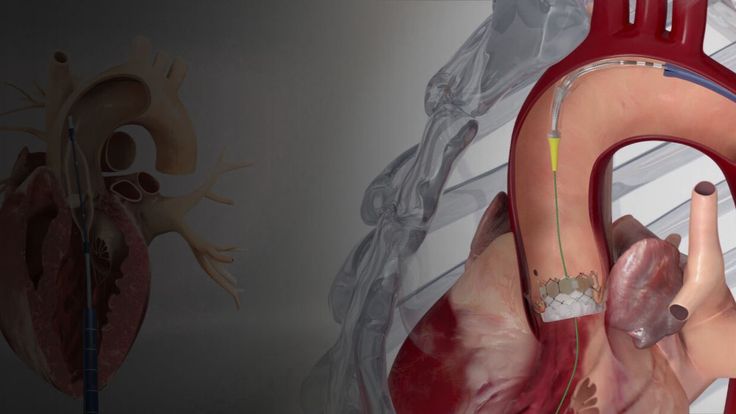
In this procedure, doctors replace the damaged aortic valve using a thin flexible tube called a catheter. The tube is guided to the heart through a blood vessel, most commonly through the artery in the leg. The new valve is placed inside the old one and begins working immediately.
The biggest difference is this:
the chest does not need to be opened, and in most cases the heart does not need to be stopped.
That’s why TAVI/TAVR is considered a major breakthrough for patients who cannot safely undergo open-heart surgery.
Why the aortic valve becomes a problem
The heart works like a pump, and valves act like doors—opening and closing to allow blood to move in one direction. The aortic valve is the main valve responsible for sending blood from the heart to the rest of the body.
Over time, this valve can become stiff due to calcium deposits. This condition is called aortic stenosis, meaning the valve opening becomes narrow. When the valve becomes narrow, blood flow reduces, and the heart has to work harder to push blood out.
If this continues, the heart muscle becomes strained and weak. This is why severe aortic stenosis is not something that should be delayed.
Signs that your valve disease may be serious
Valve problems don’t always cause immediate symptoms. Many people adjust to the changes slowly without realizing their heart is under pressure. But certain symptoms should never be ignored, especially in elderly patients:
- breathlessness while walking, climbing steps, or doing small work
- pressure or discomfort in the chest
- dizziness or episodes of fainting
- extreme tiredness and reduced stamina
- fast heartbeat or irregular rhythm
- swelling in feet or legs
- inability to do basic daily tasks without fatigue
When these symptoms appear, it usually means the valve problem has progressed and requires urgent evaluation.
Who can benefit from TAVI/TAVR?
TAVI/TAVR is most often recommended for patients with severe aortic stenosis, especially when open-heart surgery is high risk.
This may include patients who:
- are senior citizens (commonly above 65 years)
- have diabetes, kidney disease, lung issues, or multiple health problems
- have weaker heart pumping function
- cannot tolerate long surgery and long recovery
- are judged high risk after full evaluation
However, this decision is not made only on age. Doctors evaluate the entire picture using tests such as echocardiography and CT imaging. A dedicated heart team usually decides whether TAVI is the right option.
How the procedure is performed
TAVI/TAVR is done in a controlled hospital setup with advanced imaging guidance. Here is the process in an easy way:
1) Pre-procedure planning
Before the procedure, doctors perform tests such as:
- 2D Echo to check valve severity
- ECG to study rhythm
- CT scan/CT angiography to check vessel size and valve shape
- blood tests and general health review
- coronary angiography in some patients
This planning ensures that the valve selected is the correct size and the blood vessels can safely support catheter movement.
2) Catheter-based valve placement
A small entry point is made near the groin. Through this, the catheter is guided through the artery up to the heart. The new valve is carried through this tube.
3) Implanting the new valve
Once the valve reaches the correct position, it is expanded (depending on the type used). The old diseased valve is not removed; instead, it is pushed aside as the new valve takes over the job.
4) Recovery begins quickly
After valve placement, the catheter is removed and the entry point is closed. Most patients are stable soon and are able to sit up and walk within a short time.
Why patients prefer TAVI over open surgery
TAVI has become popular for very practical reasons:
- no large chest cut
- less pain compared to traditional surgery
- shorter hospital stay
- quicker recovery time
- lower physical stress on elderly patients
- better improvement in breathing and stamina
For many patients, the recovery feels smoother and much less exhausting.
Recovery timeline: what to expect
Every patient is different, but the recovery is usually fast. In many cases:
- hospital stay can be around 2–5 days
- walking is often possible within 24 hours
- daily routine improves within 1–2 weeks
- full recovery may take about 2–4 weeks
Compared to open-heart surgery recovery which can take months, this is a huge advantage.
Is TAVI/TAVR safe?
TAVI is widely practiced across the world and has strong success outcomes when performed for the right patient. Like every medical procedure, it has risks—but they are carefully managed.
Possible complications can include bleeding at the entry site, rhythm changes requiring pacemaker, stroke risk (rare), infection, or valve leakage.
The good part is that with modern imaging and experienced specialists, the safety standards are very high.
Conclusion
TAVI/TAVR has made heart valve replacement possible without open-heart surgery for many patients—especially elderly people and those with multiple health issues. It provides a safer and less invasive way to treat severe aortic valve stenosis, improves symptoms like breathlessness and fatigue, and allows faster return to normal life.
If you have been diagnosed with severe valve narrowing, the best step is early evaluation, because delaying treatment increases heart damage. A proper heart assessment will help decide whether TAVI/TAVR is suitable for you.
Dr. Rahul R. Gupta
Cardium Advanced Heart Care Clinic, Kharghar , Sector-16, Vashi, Parel,Mumbai,
Recent Posts
-
 Stem Cell Therapy 2026: Can We Actually Regenerate a Damaged Heart Muscle?
 -
 Pacemakers in 2026: Why the Latest Leadless Devices are Practically Invisible Under the Skin
 -
 The 10-Minute TMT: What Your Stress Test Result Actually Says About Your 10-Year Heart Risk
 -
 How Advanced Heart Care is Giving Pune’s Grandparents a Second Lease on Life
 -
 Stent vs. Bypass: How AI-Guided Imaging Helps Dr. Rahul Gupta Make the “Perfect” Choice for You