Why Heart Disease is Increasing in India
Heart disease is no longer a problem limited to older adults. In recent years, India has seen a sharp rise in heart-related conditions, even among people in their 20s and 30s. This growing trend is a serious concern and highlights the need to understand what is causing it and how it can be prevented.
India is often referred to as the “heart disease capital of the world,” and the numbers continue to rise every year. But why is this happening? The answer lies in a combination of lifestyle changes, stress, poor dietary habits, and lack of awareness. Rapid urbanization and changing work patterns have significantly impacted the way people live, eat, and take care of their health.
Changing Lifestyle and Sedentary Habits
One of the biggest reasons behind the increase in heart disease in India is the modern lifestyle. Many people today have desk jobs that require long hours of sitting, often with very little physical activity throughout the day. Compared to earlier generations, daily movement has reduced drastically.
With the rise of technology, people spend more time on mobile phones, laptops, and television screens. Even simple activities like walking to nearby places or engaging in outdoor games have become less common. This sedentary lifestyle leads to weight gain, obesity, high blood pressure, and poor cardiovascular health over time.
Lack of exercise not only weakens the heart but also increases the risk of other health conditions like diabetes, which further contributes to heart disease.
Unhealthy Eating Patterns
Diet plays a crucial role in maintaining heart health, and unfortunately, eating habits in India are changing rapidly. Fast food, processed snacks, and sugary beverages have become a regular part of daily life, especially among young people and working professionals.
Traditional home-cooked meals, which were once balanced and nutritious, are now being replaced by foods that are high in unhealthy fats, sugar, and salt. These dietary changes lead to increased cholesterol levels, which can cause plaque buildup in the arteries and restrict blood flow.
Excess salt intake is another major concern, as it directly contributes to high blood pressure. Over time, these factors significantly increase the risk of heart disease and related complications.
Rising Stress and Mental Health Issues
Stress has become an unavoidable part of modern life. Whether it’s job pressure, financial responsibilities, family expectations, or social competition, people are constantly dealing with high levels of stress.
Chronic stress has a direct impact on heart health. When the body is under stress, it releases hormones that increase heart rate and blood pressure. If this continues for a long period, it can damage blood vessels and increase the risk of heart attacks.
In addition, stress often leads to unhealthy coping habits such as overeating, smoking, drinking alcohol, or not getting enough sleep. These behaviors further increase the chances of developing heart-related problems.
Lack of Awareness and Preventive Care
Another important reason for the rise in heart disease is the lack of awareness about preventive healthcare. Many people do not go for regular health checkups unless they experience serious symptoms.
Conditions like high blood pressure, high cholesterol, and diabetes are often called “silent diseases” because they may not show clear symptoms in the early stages. However, they can slowly damage the heart over time.
Regular health screenings can help detect these conditions early and prevent serious complications. Unfortunately, many individuals ignore this until it becomes too late.
Smoking, Alcohol, and Other Risk Factors
The increasing use of tobacco and alcohol is also contributing to heart disease in India. Smoking damages blood vessels, reduces oxygen supply to the heart, and increases the risk of heart attacks.
Similarly, excessive alcohol consumption can raise blood pressure and lead to other health issues. These habits, when combined with poor lifestyle choices, significantly increase the risk of heart disease.
Environmental factors like air pollution are also playing a role, especially in urban areas. Poor air quality can affect the heart and lungs, increasing the risk of cardiovascular problems.
Heart Disease in Young Adults
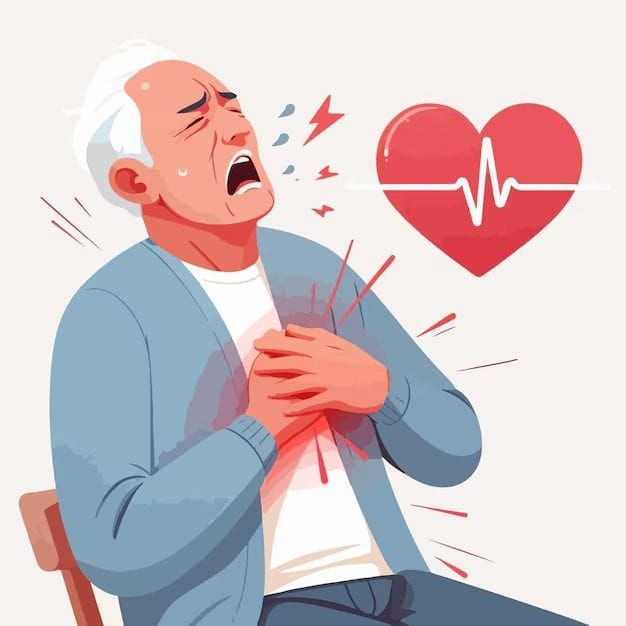
One of the most alarming trends is the rise of heart disease among young adults. Earlier, heart problems were mostly seen in people above the age of 50, but now cases are being reported in individuals as young as 25 or 30.
This is mainly due to a combination of stress, unhealthy diet, lack of physical activity, and poor lifestyle habits. Many young people ignore early warning signs like chest discomfort, fatigue, or shortness of breath, assuming they are minor issues.
Ignoring these symptoms can be dangerous, as early detection is key to preventing serious complications.
How to Prevent Heart Disease
The good news is that heart disease can often be prevented with simple and consistent lifestyle changes. Here are some important steps:
- Maintain a balanced and nutritious diet
- Exercise regularly for at least 30 minutes a day
- Avoid smoking and limit alcohol consumption
- Manage stress through yoga, meditation, or hobbies
- Get regular health checkups
- Maintain a healthy weight
Small daily habits can make a big difference in protecting your heart and improving overall health.
Conclusion
The rise of heart disease in India is a serious concern, but it is not something beyond control. Most of the causes are linked to lifestyle choices, which means they can be improved with awareness, discipline, and timely action.
Taking care of your heart should be a priority at every stage of life. By making healthier choices today, you can reduce your risk and ensure a better quality of life in the future. Remember, your heart works continuously for you—taking care of it is one of the most important investments you can make for your well-being.
Dr. Rahul R. Gupta
Cardium Advanced Heart Care Clinic, Kharghar , Sector-16, Vashi, Parel,Mumbai,
Recent Posts
-
 Stem Cell Therapy 2026: Can We Actually Regenerate a Damaged Heart Muscle?
 -
 Pacemakers in 2026: Why the Latest Leadless Devices are Practically Invisible Under the Skin
 -
 The 10-Minute TMT: What Your Stress Test Result Actually Says About Your 10-Year Heart Risk
 -
 How Advanced Heart Care is Giving Pune’s Grandparents a Second Lease on Life
 -
 Stent vs. Bypass: How AI-Guided Imaging Helps Dr. Rahul Gupta Make the “Perfect” Choice for You