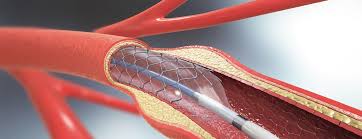
Coronary angioplasty is a life-saving, minimally invasive procedure used to open clogged heart arteries and restore blood flow to the heart muscle. Also known as percutaneous coronary intervention (PCI), it is often recommended for patients with coronary artery disease (CAD) or after a heart attack.
At Cardium Heart Care Clinic, Mumbai, we aim to empower our patients with clear, accurate information so they feel confident and prepared. In this blog, we’ll walk you through what to expect before, during, and after a coronary angioplasty.
Before the Procedure
1. Initial Evaluation and Tests
If you’re experiencing symptoms like chest pain (angina), shortness of breath, or fatigue, your cardiologist may suggest a coronary angiography — a diagnostic test that uses contrast dye and X-rays to visualize blockages in your heart arteries.
Based on the angiogram findings, your doctor may recommend angioplasty with stent placement if one or more arteries are significantly narrowed or blocked.
Pre-procedure workup may include:
- Blood tests (kidney function, clotting profile)
- Electrocardiogram (ECG)
- Chest X-ray
- Fasting for at least 6 hours
- Medication review (you may be asked to stop blood thinners or diabetes meds)
2. Discussion and Consent
Your interventional cardiologist will explain:
- Why angioplasty is needed
- Risks and benefits
- Whether a stent will be placed
- Alternative treatment options
Once you understand and agree, you’ll sign an informed consent form.
During the Procedure
A coronary angioplasty is typically done in a cardiac catheterization lab. It usually takes 30 to 90 minutes, depending on the complexity.
Step-by-step Overview:
1. Local Anesthesia
You’ll remain awake but relaxed. A local anesthetic will be applied at the groin or wrist where the catheter will be inserted.
2. Catheter Insertion
A thin, flexible tube called a catheter is inserted into an artery and guided to the heart under X-ray guidance. Contrast dye helps your doctor see the blockages.
3. Balloon Angioplasty
A balloon-tipped catheter is inserted through the guiding catheter and inflated at the site of the blockage. This compresses the plaque against the artery walls and widens the vessel.
4. Stent Placement
In most cases, a stent (a small wire mesh tube) is placed to keep the artery open. The stent remains permanently in the artery.
5. Completion
The balloon is deflated and removed. The stent stays in place. The catheter is withdrawn, and the insertion site is closed using pressure or a closure device.
After the Procedure
1. Recovery and Monitoring
You’ll be moved to a recovery room or cardiac care unit (CCU) for observation. Nurses will monitor:
- Blood pressure and heart rate
- The catheter insertion site for bleeding
- ECG for any signs of arrhythmia
Most patients stay in the hospital for 1 day post-procedure.
2. Medications
You’ll be started on antiplatelet medications (like aspirin and clopidogrel) to prevent stent clotting. You may also be prescribed:
- Statins (for cholesterol)
- Beta-blockers (for heart rate and pressure)
- ACE inhibitors or ARBs
Never skip your medications — they’re crucial to your recovery.
3. Discharge Instructions
At discharge, you’ll receive instructions on:
- Wound care for the insertion site
- Physical activity restrictions (avoid lifting heavy objects for a week)
- Diet and fluid intake
- Warning signs to watch for (e.g., bleeding, swelling, fever, chest pain)
Long-term Care and Lifestyle Changes
Angioplasty treats existing blockages — but not the root cause. That’s why lifestyle modification is key:
- Eat heart-healthy foods: More fiber, less saturated fat
- Exercise regularly: Walking, yoga, or light aerobic exercise
- Quit smoking and limit alcohol
- Manage stress with mindfulness, therapy, or meditation
- Follow up with your cardiologist for check-ups and repeat tests
Conclusion
Coronary angioplasty is a safe and effective procedure to relieve chest pain, improve blood flow, and prevent heart attacks. Understanding what to expect before, during, and after angioplasty can ease anxiety and promote smoother recovery.
Dr. Rahul Gupta is a highly respected Interventional Cardiologist in Mumbai, known for his expertise in treating a wide range of heart conditions including coronary artery disease, heart failure, arrhythmias, and structural heart defects. He specializes in advanced procedures such as angioplasty and stenting, pacemaker and ICD implantation, TAVI (Transcatheter Aortic Valve Implantation), MitraClip, balloon valvotomy, and device closure for congenital heart defects.
Recent Posts
-
 Stem Cell Therapy 2026: Can We Actually Regenerate a Damaged Heart Muscle?
 -
 Pacemakers in 2026: Why the Latest Leadless Devices are Practically Invisible Under the Skin
 -
 The 10-Minute TMT: What Your Stress Test Result Actually Says About Your 10-Year Heart Risk
 -
 How Advanced Heart Care is Giving Pune’s Grandparents a Second Lease on Life
 -
 Stent vs. Bypass: How AI-Guided Imaging Helps Dr. Rahul Gupta Make the “Perfect” Choice for You