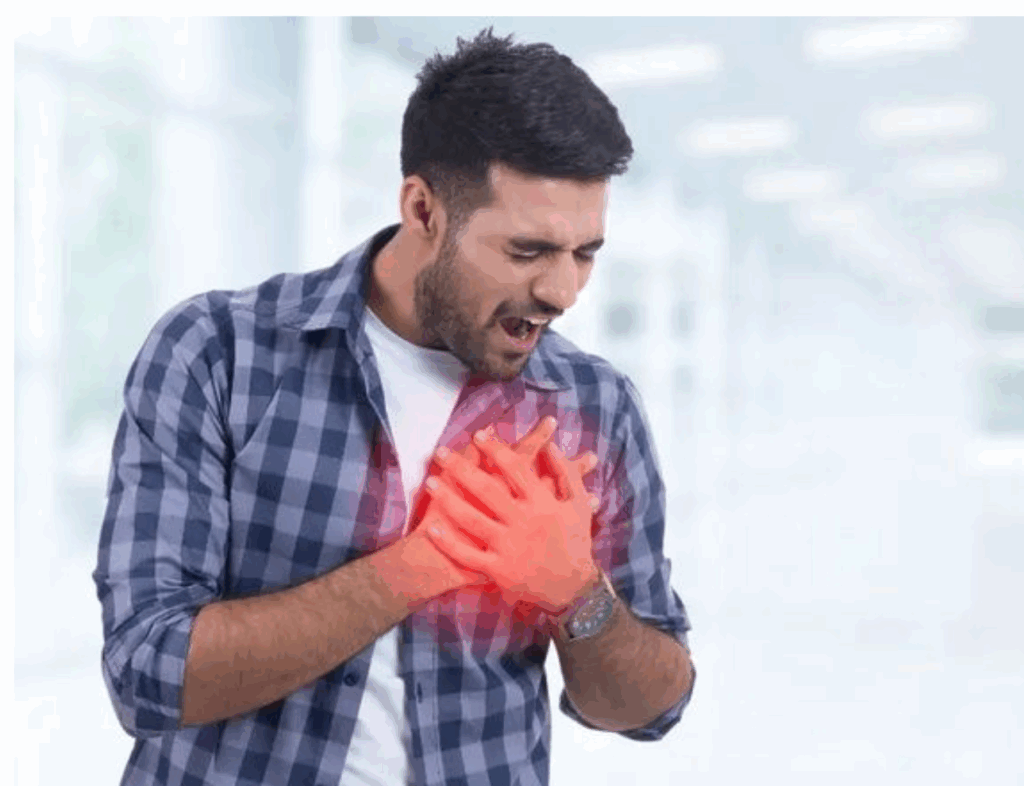
Heart attacks were previously believed to be a health problem unique to the elderly, frequently brought on by years of unhealthy lifestyle choices. Nonetheless, a disturbing trend has become apparent in recent years: heart attacks are occurring more frequently in younger people, including those in their 20s, 30s, and early 40s. This change raises significant worries regarding lifestyle, stress, and early identification. Knowing how to lower the risk and comprehending the causes is crucial for maintaining heart health throughout life.
The Unexpected Increase in Heart Attacks among Young People. A surge in heart attack cases among young people who wouldn’t have been considered high risk in the past has been documented by cardiologists worldwide. According to studies, approximately one out of every five heart attack sufferers is now under the age of 40. Many contemporary lifestyle elements have contributed to this shift, with many of them becoming more popular in recent years.
Early heart attacks: Contributing factors
This alarming trend is being driven by a number of fundamental factors:
Selecting a Bad Diet: Excessive consumption of saturated fats, sugars, and processed foods leads to plaque accumulation in arteries, high cholesterol, and obesity.
Lack of Physical Activity: Cardiovascular risk is increased by sedentary lifestyles caused by desk jobs, digital entertainment, and little exercise.
Stress and Mental Health: High blood pressure and inflammation levels brought on by persistent stress, anxiety, and depression can have a detrimental impact on heart health. Tobacco, vaping, and recreational drug use are significant factors in the development of early arterial damage and heart stress.
Undiagnosed medical conditions: Diabetes, hypertension, and high cholesterol are examples of diseases that are frequently overlooked in young adults, silently harming the heart over time.
Genetic Predisposition: A family history of heart illness can greatly raise one’s risk, particularly when combined with unhealthy lifestyle choices.
Indicators That Shouldn’t Be Ignored-
Young people may not recognize the warning signs of a heart attack, or even worse, they may ignore them, unlike older people.
Among the common symptoms are:
- Chest pain or discomfort (tightness, squeezing, or fullness).
- Pain extending to the arm, jaw, neck, or back.
- Breathlessness that occurs even when not working hard.
- Lightheadedness, nausea, or unexpected cold sweats.
- Fatigue or weakness that cannot be explained.
Regardless of age, these symptoms should be treated seriously. Immediate medical care might save someone’s life.
Prevention: Taking Charge of Your Heart Health Early-
Fortunately, the majority of heart attacks are preventable. Young people can significantly lower their risk by making wise lifestyle changes at an early age.
Here are the most important things to do:
- Choose a heart-healthy diet: Prioritize entire grains, lean proteins, fruits, vegetables, and healthy fats. Reduce your consumption of salt, sugar, and processed foods.
- Maintain a regular exercise schedule: Strive for at least 150 minutes of moderate aerobic activity every week. This might include swimming, cycling, fast walking, or strength training.
- Successfully Manage Stress: Practice mindfulness strategies such as meditation, deep breathing, or yoga. Set aside time for relaxation and interests.
- Avoid smoking and limit alcohol: Don’t use any tobacco products at all, and just drink alcohol in moderation. Know Your Numbers: Keep an eye on your blood pressure, cholesterol, and blood sugar levels. Regular health examinations can help identify risks early.
Prioritize getting enough sleep: Strive for 7–9 hours of uninterrupted sleep every night. Sleep deprivation has been associated to an increased risk of heart disease.
The Importance of Regular Screening and Expert Advice.-
Even if you feel well, silent risk factors may be present. Regular cardiologist checkups are crucial, especially if you have risk factors or a family history of heart illness. Your heart’s health can be evaluated with these screenings, and possible problems can be identified in their early stages.
The Difference Can Be Made by Professional Treatment –
It is critical to seek prompt consultation if you live in Pune or Navi Mumbai and have concerns about your heart health. Dr. Rahul Gupta, a well-known cardiologist at Cardium Advanced Heart Care Clinic, specializes in preventative cardiology and early detection of heart conditions. Dr. Gupta helps young people understand their heart health and make educated decisions to lower long-term risk by using a patient-first approach and cutting-edge diagnostic tools.
Summary-
Heart attacks are no longer a problem for the elderly alone. The increase in cases among young adults serves as a wake-up call for taking charge of one’s heart health. By addressing lifestyle variables, remaining informed, and seeking expert advice as necessary, the risk of heart disease can be greatly decreased. For skilled advice and compassionate treatment in taking charge of your heart health, see Dr. Rahul Gupta at Cardium Advanced Heart Care Clinic in Pune and Navi Mumbai. Early prevention now results in a better future.
Recent Posts
-
 Stem Cell Therapy 2026: Can We Actually Regenerate a Damaged Heart Muscle?
 -
 Pacemakers in 2026: Why the Latest Leadless Devices are Practically Invisible Under the Skin
 -
 The 10-Minute TMT: What Your Stress Test Result Actually Says About Your 10-Year Heart Risk
 -
 How Advanced Heart Care is Giving Pune’s Grandparents a Second Lease on Life
 -
 Stent vs. Bypass: How AI-Guided Imaging Helps Dr. Rahul Gupta Make the “Perfect” Choice for You