TAVI vs Open Heart Surgery: Which Is Safer for Heart Valve Problems?
Heart valve diseases, especially Aortic Valve Stenosis, are increasingly seen in adults—particularly those over 60. When medications are no longer effective, surgical intervention becomes necessary. Two widely used treatment options today are Transcatheter Aortic Valve Implantation (TAVI) and Open Heart Surgery.
Understanding how these procedures differ can help patients and families make informed decisions about treatment.
What is TAVI?
Transcatheter Aortic Valve Implantation (TAVI) is a minimally invasive procedure used to replace a damaged aortic valve. Instead of opening the chest, doctors insert a thin tube (catheter) through a blood vessel—usually in the leg—and guide it to the heart. A new valve is then positioned inside the existing one.
Unlike traditional surgery, TAVI does not require stopping the heart or using a heart-lung machine. Because of this, it is often recommended for older patients or individuals with underlying health conditions that increase surgical risk.
Key Benefits of TAVI
- Smaller or no surgical incision
- Shorter hospital stay
- Faster recovery
- Less physical stress on the body
Most patients resume normal activities within a few weeks.
What is Open Heart Surgery?
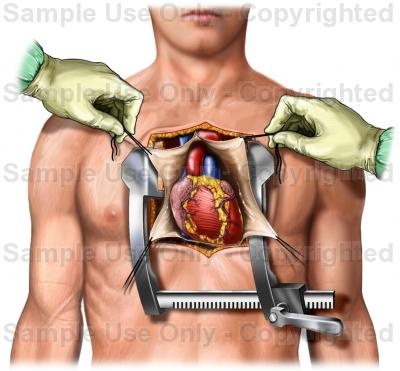
Open Heart Surgery is the conventional method for treating severe valve disease. In this procedure, the surgeon makes an incision in the chest to directly access the heart and replace the faulty valve.
Although more invasive, open heart surgery has been performed for decades and is considered highly reliable, especially for complex heart conditions.
Advantages of Open Heart Surgery
- Long-lasting valve durability
- Ability to treat multiple heart issues in one procedure
- Suitable for younger, healthier patients
However, it involves a longer recovery period and more intensive post-operative care.
Key Differences Between TAVI and Open Heart Surgery
The primary distinction lies in the level of invasiveness and recovery time.
- TAVI is less invasive, involves shorter hospitalization, and allows quicker return to daily life.
- Open heart surgery requires a larger incision, longer hospital stay, and extended healing time.
Additionally, patient eligibility differs:
- TAVI is often preferred for high-risk patients
- Open surgery is better suited for those who can safely undergo major surgery and may need additional cardiac repairs
Safety Considerations
The safety of either procedure depends on several factors, including age, overall health, and the severity of the condition.
TAVI is Generally Safer For:
- Patients above 65–70 years
- Individuals with conditions like diabetes, kidney disease, or lung disorders
Open Heart Surgery is Often Safer For:
- Younger, healthier patients
- Those needing a durable, long-term valve solution
Potential Risks
Both procedures carry certain risks:
TAVI Risks
- Valve leakage
- Need for a pacemaker
- Rare risk of stroke
Open Heart Surgery Risks
- Infection
- Bleeding
- Higher physical stress due to major surgery
Recovery and Long-Term Outcomes
Recovery time is one of the biggest differences between the two procedures.
TAVI
- Hospital stay: 2–5 days
- Recovery: A few weeks
Open Heart Surgery
- Hospital stay: 7–10 days
- Recovery: Up to 2–3 months
When it comes to durability, open heart surgery has a long-established track record. However, advancements in TAVI technology are showing promising long-term outcomes as well.
How to Choose the Right Treatment
Choosing between TAVI and open heart surgery is not a one-size-fits-all decision. It requires careful evaluation by a cardiology team.
Doctors Consider:
- Age and overall health
- Severity of valve disease
- Lifestyle and recovery expectations
- Presence of other heart conditions
Early diagnosis and timely treatment play a critical role in achieving the best outcomes, regardless of the procedure chosen.
Final Thoughts
Both TAVI and open heart surgery are effective treatments for aortic valve disease. TAVI offers a less invasive approach with quicker recovery, making it ideal for older or high-risk patients. On the other hand, open heart surgery provides a durable and comprehensive solution, particularly for younger individuals or those with complex heart conditions.
Consulting a qualified cardiologist is essential to determine the most appropriate treatment plan. Taking timely action can significantly improve heart function, quality of life, and overall well-being.
Dr. Rahul R. Gupta
Cardium Advanced Heart Care Clinic, Kharghar , Sector-16, Vashi, Parel,Mumbai,
Recent Posts
-
 Stem Cell Therapy 2026: Can We Actually Regenerate a Damaged Heart Muscle?
 -
 Pacemakers in 2026: Why the Latest Leadless Devices are Practically Invisible Under the Skin
 -
 The 10-Minute TMT: What Your Stress Test Result Actually Says About Your 10-Year Heart Risk
 -
 How Advanced Heart Care is Giving Pune’s Grandparents a Second Lease on Life
 -
 Stent vs. Bypass: How AI-Guided Imaging Helps Dr. Rahul Gupta Make the “Perfect” Choice for You