Heart-Healthy Diet Plans Backed by Science
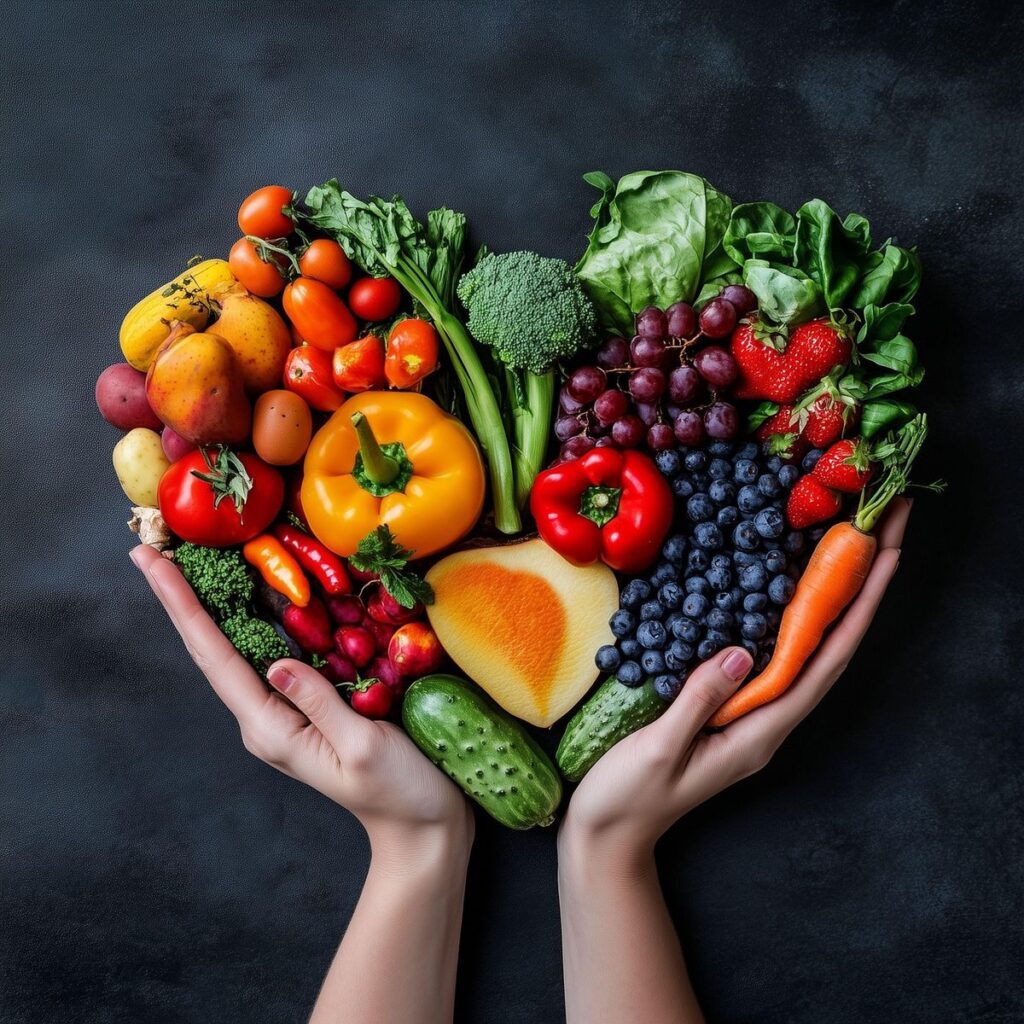
Heart disease continues to be one of the leading health concerns in India and across the world. While genetics and age play a role, research consistently shows that diet is one of the most powerful tools for protecting your heart. The good news? You don’t need extreme or complicated meal plans. Simple, science-backed dietary patterns can significantly reduce your risk of heart disease, high blood pressure, and cholesterol problems.
If you live in or around Navi Mumbai, adopting a heart-healthy diet combined with regular check-ups can go a long way in maintaining long-term cardiovascular wellness.
Let’s explore diet plans that are backed by strong scientific evidence and recommended by heart specialists worldwide.
- The Mediterranean Diet
The Mediterranean diet is widely regarded as one of the best eating patterns for heart health. Inspired by traditional eating habits of countries bordering the Mediterranean Sea, this diet focuses on:
- Fresh fruits and vegetables
- Whole grains
- Legumes and beans
- Nuts and seeds
- Olive oil as the primary fat source
- Moderate consumption of fish
- Limited red meat
Scientific studies have shown that this diet lowers bad cholesterol (LDL), improves good cholesterol (HDL), and reduces inflammation in the body. It is rich in antioxidants and healthy fats, particularly omega-3 fatty acids, which support heart function.
What makes it sustainable is its flexibility. It doesn’t eliminate food groups but encourages balanced, natural eating.
- The DASH Diet (Dietary Approaches to Stop Hypertension)
The DASH diet was specifically designed to control high blood pressure—one of the biggest risk factors for heart disease. It emphasizes:
- Fruits and vegetables
- Low-fat dairy products
- Whole grains
- Lean protein (chicken, fish, legumes)
- Reduced sodium intake
Clinical trials have proven that the DASH diet significantly lowers blood pressure within weeks. Reducing salt intake while increasing potassium-rich foods helps balance fluid levels and reduce strain on the heart.
For Indian households, this may mean cutting down on processed snacks, pickles, and packaged foods while focusing more on home-cooked meals.
- Plant-Based Diets
A well-planned plant-based diet can greatly benefit heart health. This doesn’t necessarily mean becoming vegan. It simply means prioritizing plant foods such as:
- Vegetables
- Fruits
- Lentils and dals
- Whole grains like brown rice and millets
- Nuts and seeds
Plant-based diets are naturally low in saturated fat and high in fiber. Fiber helps reduce cholesterol absorption in the bloodstream. Research shows that individuals who eat more plant-based foods tend to have lower risks of heart attacks and strokes.
However, balance is key. Avoid relying heavily on processed “junk” vegetarian foods that may still contain unhealthy fats and excess sodium.
- Healthy Fats vs. Harmful Fats
Not all fats are bad for the heart. The type of fat matters more than the amount.
Healthy fats include:
- Olive oil
- Mustard oil (in moderation)
- Nuts like almonds and walnuts
- Fatty fish like salmon and mackerel
Fats to limit:
- Deep-fried foods
- Butter and ghee in excess
- Processed bakery items
- Trans fats in packaged snacks
Replacing saturated and trans fats with unsaturated fats has been shown to reduce the risk of heart disease significantly.
- Portion Control and Balanced Eating
Even healthy foods can contribute to weight gain if consumed in large quantities. Obesity increases the risk of high blood pressure, diabetes, and heart disease.
A heart-friendly plate should ideally include:
- Half plate of vegetables
- One-quarter whole grains
- One-quarter lean protein
- A small portion of healthy fats
Eating slowly, avoiding overeating, and limiting sugary beverages can make a noticeable difference over time.
- Reducing Sugar and Refined Carbohydrates
Excess sugar contributes to obesity, diabetes, and inflammation—major risk factors for heart disease. Refined carbohydrates like white bread, white rice in large portions, and sugary desserts can spike blood sugar levels.
Switching to:
- Whole wheat chapati
- Brown rice
- Millets
- Oats
can help stabilize blood sugar and improve heart health.
- Hydration and Lifestyle Habits
Water plays an essential role in maintaining healthy circulation. Limiting sugary drinks and excessive caffeine supports overall cardiovascular health.
In addition to diet, combine healthy eating with:
- Regular exercise
- Stress management
- Adequate sleep
- Routine heart check-ups
Diet alone cannot replace medical supervision, especially if you already have high blood pressure, diabetes, or cholesterol issues.
Why Personalized Guidance Matters
While these diet plans are backed by science, individual health conditions vary. A person with diabetes may require a slightly different approach compared to someone managing high cholesterol. That’s why professional evaluation is important before making significant dietary changes.
If you are located in Kharghar or nearby areas, you can consult specialists at Cardium – Heart Care Clinic for comprehensive cardiac evaluation and preventive guidance.
Conclusion
A heart-healthy diet is not about strict restrictions or temporary changes—it is about building sustainable eating habits that nourish your body and protect your heart for years to come. Scientific research strongly supports dietary patterns like the Mediterranean diet, DASH diet, and plant-focused eating in reducing the risk of heart disease.
Small daily choices—choosing fruits over fried snacks, whole grains over refined flour, and healthy fats over trans fats—can create powerful long-term benefits.
Dr. Rahul R. Gupta
Cardium Advanced Heart Care Clinic, Kharghar , Sector-16, Vashi, Parel,Mumbai,
Recent Posts
-
 Stem Cell Therapy 2026: Can We Actually Regenerate a Damaged Heart Muscle?
 -
 Pacemakers in 2026: Why the Latest Leadless Devices are Practically Invisible Under the Skin
 -
 The 10-Minute TMT: What Your Stress Test Result Actually Says About Your 10-Year Heart Risk
 -
 How Advanced Heart Care is Giving Pune’s Grandparents a Second Lease on Life
 -
 Stent vs. Bypass: How AI-Guided Imaging Helps Dr. Rahul Gupta Make the “Perfect” Choice for You