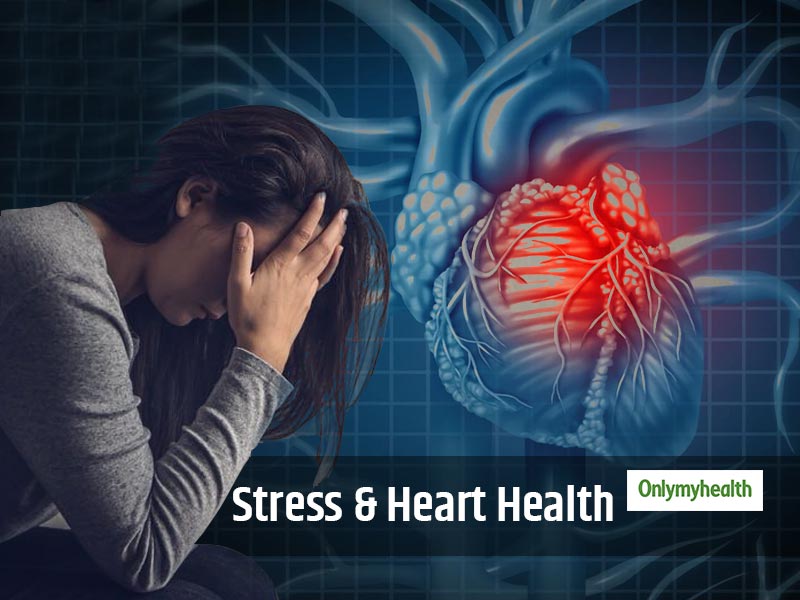
Stress & Heart: Can Emotional Strain Really Affect Your Heart?
In today’s fast-paced world, stress has almost become a part of daily life. Deadlines, financial responsibilities, family concerns, and health worries can all take a toll on your emotional well-being. But while most people think of stress as a mental issue, science clearly shows that emotional strain can directly affect your heart.
If you are living in or around Navi Mumbai, understanding the connection between stress and heart health is especially important in an urban lifestyle where pressure and long working hours are common. The big question is—can emotional stress really damage your heart? The answer is yes.
How Stress Impacts the Heart
When you experience stress, your body activates the “fight or flight” response. This natural reaction releases stress hormones like adrenaline and cortisol. These hormones:
- Increase heart rate
- Raise blood pressure
- Tighten blood vessels
- Increase oxygen demand by the heart
In short bursts, this response is normal and even helpful. However, when stress becomes chronic, your heart remains in a constant state of strain. Over time, this can contribute to high blood pressure, irregular heartbeat, and even heart disease.
The Link Between Stress and High Blood Pressure
Chronic stress is strongly associated with hypertension. When blood pressure remains elevated for long periods, it damages artery walls and forces the heart to work harder than necessary. This increases the risk of heart attack, stroke, and heart failure.
Many individuals may not even realize they have high blood pressure because it often develops silently. Regular monitoring becomes essential, especially for those who experience ongoing emotional pressure.
Can Stress Cause a Heart Attack?
Severe emotional events—such as losing a loved one, intense anger, or sudden shock—can trigger heart attacks in vulnerable individuals. There is also a condition known as “stress-induced cardiomyopathy” or “broken heart syndrome,” where sudden emotional distress temporarily weakens the heart muscle.
While this condition can mimic a heart attack, it is often reversible with proper treatment. However, it clearly highlights how deeply emotions and heart function are connected.
Stress and Unhealthy Habits
Stress not only affects the body directly but also influences behavior. Many people cope with emotional strain by:
- Overeating or choosing unhealthy foods
- Smoking
- Drinking excessive alcohol
- Skipping exercise
- Ignoring sleep
These habits further increase the risk of heart disease. Emotional stress combined with poor lifestyle choices creates a dangerous cycle that can silently damage the cardiovascular system.
Warning Signs You Should Not Ignore
Sometimes, stress-related heart strain may show symptoms such as:
- Chest tightness or discomfort
- Palpitations
- Shortness of breath
- Fatigue
- Headaches
- Sleep disturbances
While these symptoms may sometimes be linked to anxiety, they should never be ignored—especially if you have risk factors like diabetes, high cholesterol, obesity, or a family history of heart disease.
The Science Behind Mind-Heart Connection
Research in cardiology and psychology confirms that mental health and heart health are deeply interconnected. Chronic stress leads to inflammation in the body, which plays a key role in the development of atherosclerosis (narrowing of arteries). Inflammation damages blood vessels and accelerates plaque buildup.
Additionally, stress affects heart rhythm stability. People experiencing prolonged anxiety may develop arrhythmias or irregular heartbeats, which can increase long-term risks.
How to Protect Your Heart from Stress
Managing stress is not about eliminating challenges from life—it’s about developing healthier coping mechanisms. Here are science-backed strategies to protect your heart:
- Regular Physical Activity
Exercise reduces stress hormones and releases endorphins, which improve mood. Even 30 minutes of brisk walking five days a week can strengthen your heart and lower blood pressure.
- Practice Relaxation Techniques
Deep breathing, meditation, and yoga help calm the nervous system and stabilize heart rate. Consistency is key.
- Maintain a Heart-Healthy Diet
A balanced diet rich in fruits, vegetables, whole grains, and healthy fats supports both emotional and cardiovascular health.
- Prioritize Sleep
Poor sleep increases stress hormones and blood pressure. Aim for 7–8 hours of quality sleep each night.
- Seek Professional Guidance
If stress feels overwhelming or physical symptoms appear, consulting a cardiologist ensures that your heart health is properly evaluated.
When Should You See a Heart Specialist?
If you experience persistent chest discomfort, frequent palpitations, uncontrolled blood pressure, or a family history of heart disease, do not delay medical consultation. Emotional stress may be the trigger, but underlying heart conditions must be ruled out through proper testing like ECG, 2D Echo, or stress tests.
Residents of Kharghar and nearby areas can seek expert cardiac care at Cardium – Heart Care Clinic, a trusted center for comprehensive heart evaluation and preventive cardiology.
Conclusion
Stress is more than just a mental burden—it can significantly affect your heart. From raising blood pressure to triggering heart attacks in vulnerable individuals, emotional strain has real physical consequences. The connection between the mind and heart is powerful, and ignoring chronic stress can lead to serious complications over time.
Taking proactive steps—managing stress, maintaining a healthy lifestyle, and scheduling regular heart check-ups—can protect you from long-term damage.
Dr. Rahul R. Gupta
Cardium Advanced Heart Care Clinic, Kharghar , Sector-16, Vashi, Parel,Mumbai,
Recent Posts
-
 Stem Cell Therapy 2026: Can We Actually Regenerate a Damaged Heart Muscle?
 -
 Pacemakers in 2026: Why the Latest Leadless Devices are Practically Invisible Under the Skin
 -
 The 10-Minute TMT: What Your Stress Test Result Actually Says About Your 10-Year Heart Risk
 -
 How Advanced Heart Care is Giving Pune’s Grandparents a Second Lease on Life
 -
 Stent vs. Bypass: How AI-Guided Imaging Helps Dr. Rahul Gupta Make the “Perfect” Choice for You