High BP & Heart Risk: Why Hypertension Needs Serious Control
High blood pressure (BP), also called hypertension, is one of the most common health problems today — and also one of the most ignored. The reason is simple: high BP usually has no symptoms, especially in the early stages. You may feel completely normal, continue your routine, and still have dangerously high numbers inside your body.
That’s why hypertension is often called the “silent killer.” It silently damages the heart, brain, kidneys, and blood vessels for years, and then suddenly shows up as a heart attack, stroke, heart failure, or kidney disease.
If you have high BP — or if it runs in your family — controlling it seriously is not optional. It’s necessary.
What exactly is high blood pressure?
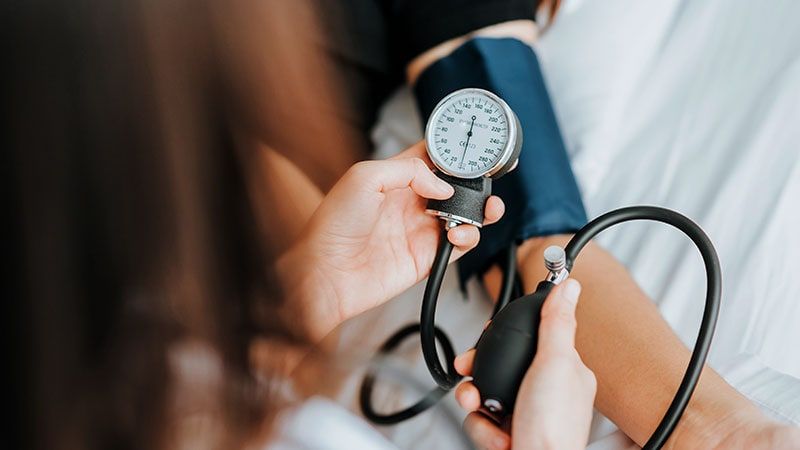
Blood pressure is the force of blood pushing against your artery walls. When this pressure stays high over time, it puts constant strain on your blood vessels and heart.
BP is written as two numbers:
- Systolic (top number): pressure when the heart pumps
- Diastolic (bottom number): pressure when the heart relaxes
In general:
- Normal BP is around 120/80
- Consistently above 140/90 is considered high
But even slightly high BP over years can damage the body.
Why hypertension is dangerous for the heart
Your heart is designed to pump blood with balanced pressure. But when BP stays high, the heart has to work harder than normal — like a machine forced to work overtime daily. Over time, this extra workload causes serious heart problems.
Here’s how:
1) High BP damages arteries from inside
Arteries are meant to be smooth and flexible. High BP constantly hits the artery walls with force, which causes:
- tiny injuries inside the blood vessels
- hardening and thickening of arteries
- narrowing of blood flow pathways
Once arteries become stiff and narrow, the heart must push even harder to circulate blood, which increases risk further.
2) It increases the risk of blocked arteries (Coronary artery disease)
When arteries get damaged, cholesterol and fat deposits start building up more easily. This creates plaque inside the vessels, reducing blood flow to the heart muscle.
That leads to:
- chest discomfort or heaviness (angina)
- shortness of breath while walking
- reduced stamina
- increased chances of heart attack
So hypertension doesn’t only raise BP — it sets up the path for blockages.
3) It can cause heart attack without warning
A heart attack often happens when a blockage suddenly stops blood flow. If BP is high, arteries are already stressed and plaque may rupture easily.
Many heart attacks happen in people who:
- didn’t know they had high BP
- ignored treatment
- stopped medicines because “BP is normal now”
Important truth: BP medicines control the numbers, they don’t cure the condition overnight.
4) High BP leads to heart enlargement and heart failure
When BP stays uncontrolled, the heart muscle becomes thick and enlarged because it’s constantly pushing against high resistance. This seems like strength, but it’s actually dangerous.
A thickened heart:
- becomes stiff
- cannot relax properly
- pumps less efficiently
- causes fluid buildup in lungs and legs
This is how hypertension leads to heart failure, where even basic activity can cause breathlessness and fatigue.
5) It triggers irregular heartbeat (Arrhythmia)
High BP can stretch the heart chambers, especially the left atrium. This increases risk of rhythm disorders like atrial fibrillation, which can cause:
- palpitations
- weakness
- dizziness
- higher stroke risk
So if your BP is high and you feel heartbeat changes — don’t ignore it.
Who is at higher risk of hypertension?
You are more likely to develop high BP if you have:
- family history of BP or heart disease
- high stress lifestyle
- obesity or belly fat
- diabetes or high cholesterol
- smoking/tobacco use
- excess salt intake
- poor sleep and low activity
Even young adults are getting hypertension early because of stress, fast food, and sedentary lifestyle.
Why people fail at controlling BP
Let’s be honest. BP control fails mostly due to these reasons:
1) I feel fine, so I stopped medicine.
High BP doesn’t always show symptoms. Feeling fine doesn’t mean you’re safe.
2) My BP is normal now, so I don’t need tablets.
BP becomes normal because of medicine and lifestyle. If you stop suddenly, it comes back.
3) I only check BP when I feel headache.
Headache is not a reliable sign. Many people with very high BP have no headache.
4) I am using home remedies only.
Home remedies can support, but they cannot replace medical control when BP is high.
How to control hypertension seriously (and correctly)
You don’t need extreme changes — you need consistent ones.
Check BP regularly
- If you have high BP: monitor weekly (or as advised)
- Maintain a BP record
Reduce salt
Most BP patients consume hidden salt in:
- pickles
- papad
- packaged snacks
- fast foods
- restaurant meals
Manage stress
Stress makes BP spikes frequent. Try:
- breathing exercises
- walks
- regular sleep schedule
- limiting caffeine
Take medicines properly
BP medicines work best when taken:
- at the same time daily
- without skipping
- with regular follow-ups
Conclusion
Hypertension is not just a “BP problem” — it’s a heart risk problem. Uncontrolled BP slowly damages arteries, increases cholesterol buildup, raises chances of heart attack, leads to heart enlargement, triggers heart failure, and may even cause stroke. The worst part is: it can happen silently.
The best time to control hypertension is today, not after symptoms start. With proper lifestyle changes, regular BP monitoring, and correct treatment, you can protect your heart and live a long, healthy life.
Dr. Rahul R. Gupta
Cardium Advanced Heart Care Clinic, Kharghar , Sector-16, Vashi, Parel,Mumbai,
Recent Posts
-
 Stem Cell Therapy 2026: Can We Actually Regenerate a Damaged Heart Muscle?
 -
 Pacemakers in 2026: Why the Latest Leadless Devices are Practically Invisible Under the Skin
 -
 The 10-Minute TMT: What Your Stress Test Result Actually Says About Your 10-Year Heart Risk
 -
 How Advanced Heart Care is Giving Pune’s Grandparents a Second Lease on Life
 -
 Stent vs. Bypass: How AI-Guided Imaging Helps Dr. Rahul Gupta Make the “Perfect” Choice for You