Early Signs of Heart Disease You Should Never Ignore
Heart disease does not always start with a big emergency. In many cases, it begins quietly—small changes in your body that you feel, but don’t take seriously. People often blame these symptoms on stress, acidity, weakness, or “just getting older.” That delay is exactly what makes heart problems dangerous.
Your heart is a hardworking muscle. When it starts struggling, it sends warning signs. The key is to recognize them early and act before they turn into a major event like a heart attack or stroke.
Here are the early symptoms that deserve attention, not excuses.
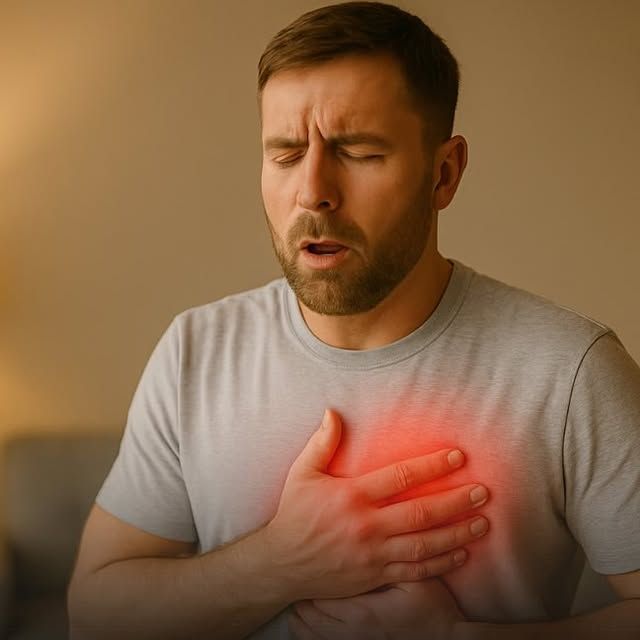
1) Chest tightness, pressure, or heaviness
Many people imagine a heart problem as sharp chest pain. But early heart disease may feel different. You might experience:
- heaviness in the chest
- tightness or squeezing sensation
- mild discomfort that comes and goes
- pressure during walking or climbing stairs
Some people describe it as “a load on the chest.” If this feeling repeats, especially during activity and improves with rest, it can be related to reduced blood supply to the heart.
2) Breathlessness in daily routine
If you become breathless doing normal tasks—tasks you could easily do before—it’s a strong early warning sign. You may notice breathlessness while:
- walking short distances
- climbing a few steps
- doing household work
- talking while walking
Breathlessness occurs when the heart cannot pump blood efficiently, causing reduced oxygen delivery to the body.
Serious sign: breathlessness while lying down or waking up suddenly at night gasping for air.
3) Unusual fatigue that doesn’t improve
Normal tiredness improves after rest. Heart-related fatigue often doesn’t.
If you feel drained after small activities or notice your energy has dropped for no clear reason, don’t ignore it. You might feel:
- constant weakness
- low energy even after sleep
- tiredness without heavy work
- reduced stamina suddenly
This sign is especially important for women because fatigue can appear before classic chest pain.
4) Pain in arm, jaw, shoulder, neck, or back
Heart discomfort isn’t always limited to the chest. Sometimes, it shows up in other body parts such as:
- left arm or both arms
- shoulder area
- jaw or neck
- upper back
This pain is often mistaken for muscle strain or dental issues. But if it appears along with breathlessness, sweating, or chest heaviness—treat it as a red flag.
5) Palpitations or irregular heartbeat
If your heart suddenly starts racing without exercise, it could be a rhythm problem. You may feel:
- rapid heartbeat
- fluttering sensation
- heartbeat skipping
- pounding feeling in the chest
Occasional palpitations can happen due to stress or caffeine. But frequent episodes need evaluation because some rhythm problems can increase risk of stroke.
6) Dizziness, blackout feeling, or fainting
Your brain needs continuous blood flow. If the heart is not pumping properly or the rhythm becomes abnormal, blood supply to the brain reduces.
This can cause:
- dizziness when standing
- sudden light-headedness
- weakness and imbalance
- fainting in severe cases
If dizziness happens repeatedly, especially during walking or activity, don’t treat it as “low BP only.” Get it checked.
7) Swelling in feet, ankles, or legs
Swelling is one of the most ignored early signs. Many people assume it’s due to long standing or tiredness. But swelling may happen when the heart becomes weak and fluid starts collecting in the body.
Look out for:
- swollen ankles by evening
- marks left by socks
- feet swelling regularly
- rapid weight gain due to fluid retention
This can be an early sign of heart failure or poor circulation.
8) Sweating without heat or effort
Sweating is normal in summer or exercise. But sweating that appears suddenly—especially cold, sticky sweating—is not normal if:
- the weather is not hot
- you are not doing heavy work
- the sweat comes with discomfort
Many cardiac patients report unexplained sweating along with weakness or breathlessness.
9) Indigestion-like discomfort or nausea
One of the biggest mistakes people make is confusing heart symptoms with acidity or gas.
Heart problems may cause:
- burning in chest or upper stomach
- nausea
- fullness and discomfort
- feeling of indigestion during walking or exertion
If this happens repeatedly—especially with sweating, fatigue, or breathlessness—don’t keep taking antacids blindly.
10) Disturbed sleep and loud snoring
Poor sleep affects heart health. If you snore loudly, wake up tired, or feel sleepy during daytime, you may have sleep apnea—where breathing stops briefly during sleep.
Sleep apnea is linked to:
- high BP
- abnormal heart rhythms
- increased heart disease risk
Ignoring sleep problems can silently increase long-term cardiac risk.
Who should be extra careful?
You should take early signs more seriously if you have:
- high blood pressure
- diabetes
- high cholesterol
- obesity
- tobacco use
- family history of heart disease
- high stress lifestyle
- low physical activity
Even young adults are at risk today due to lifestyle changes, poor diet, and stress.
Conclusion
Heart disease rarely comes without warning. Your body gives signals—chest pressure, breathlessness, fatigue, swelling, palpitations, dizziness, or unusual sweating. The smartest step is early evaluation, because timely treatment can prevent major heart emergencies.
If symptoms are repeating, increasing, or affecting daily life, do not wait for them to become severe. A heart checkup can save years of your life.
Dr. Rahul R. Gupta
Cardium Advanced Heart Care Clinic, Kharghar , Sector-16, Vashi, Parel,Mumbai,
Recent Posts
-
 Stem Cell Therapy 2026: Can We Actually Regenerate a Damaged Heart Muscle?
 -
 Pacemakers in 2026: Why the Latest Leadless Devices are Practically Invisible Under the Skin
 -
 The 10-Minute TMT: What Your Stress Test Result Actually Says About Your 10-Year Heart Risk
 -
 How Advanced Heart Care is Giving Pune’s Grandparents a Second Lease on Life
 -
 Stent vs. Bypass: How AI-Guided Imaging Helps Dr. Rahul Gupta Make the “Perfect” Choice for You