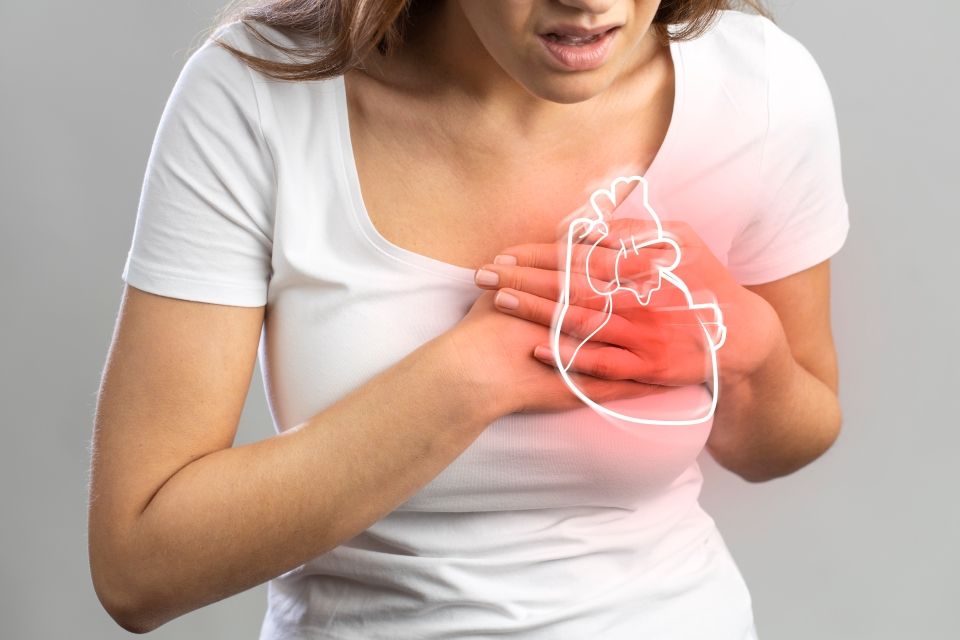
We’ve all heard the phrase “heartbroken”—usually in the context of grief, loss, or deep emotional turmoil. But did you know that emotional distress can literally cause a temporary but serious heart condition? It’s true, and it’s called stress-induced cardiomyopathy, more commonly known as Broken Heart Syndrome.
This lesser-known condition mimics a heart attack in its symptoms but has very different causes and treatment. At Cardium, where we emphasize preventive and holistic cardiovascular care, understanding the link between emotional wellness and heart health is part of our mission—because a healthy heart isn’t just about arteries and valves, but also about how we live, feel, and respond to life’s challenges.
What Is Stress-Induced Cardiomyopathy?
Stress-induced cardiomyopathy, or Takotsubo cardiomyopathy, is a temporary condition where part of the heart muscle suddenly weakens and doesn’t pump well. Unlike a heart attack, it’s not caused by blocked arteries, but rather by a surge of stress hormones like adrenaline.
It was first described in Japan in the 1990s, where the heart’s ballooned shape under this stress condition resembled a “takotsubo,” a pot used to trap octopus—hence the name.
What Causes It?
The most common triggers for Broken Heart Syndrome are severe emotional or physical stress. Some known causes include:
Sudden death of a loved on
Divorce or break-up
Intense fear or panic
Financial loss
Major surgery or serious illness
Car accidents or traumatic events
Even positive stressors, like surprise parties or sudden joy, have occasionally been linked to the condition.
The exact mechanism isn’t fully understood, but it’s believed that a flood of stress hormones temporarily stuns the heart, especially the left ventricle, affecting how it contracts.
Who Is at Risk?
While anyone can experience stress-induced cardiomyopathy, it’s most common in post-menopausal women, typically aged 50–75. Studies show that up to 90% of cases occur in women, although the reasons for this gender disparity are still being studied.
Other risk factors include:
A history of anxiety or depression
High levels of chronic stress
Neurological conditions
Previous traumatic events
Signs and Symptoms
The symptoms often resemble those of a heart attack and usually begin suddenly, including
Chest pain
Shortness of breath
Rapid or irregular heartbeat
Lightheadedness or fainting
Because the symptoms are so similar to a heart attack, it’s critical to seek emergency care immediately. Only medical tests can distinguish between a heart attack and stress-induced cardiomyopathy.
Diagnosis and Treatment
Diagnosis typically involves:
ECG (may show abnormalities similar to a heart attack)
Blood tests (troponin levels may be mildly elevated
Echocardiogram (shows abnormal heart wall motion)
Coronary angiography (reveals no blocked arteries, confirming diagnosis)
Fortunately, most patients recover fully within a few weeks with supportive treatment. This may include:
Beta-blockers to reduce stress on the heart
ACE inhibitors for heart muscle recover
Diuretics if there’s fluid retention
Stress management techniques
Hospitalization is often required initially, but long-term damage is rare if treated promptly.
How to Protect Your Heart from Emotional Stress
While we can’t avoid all of life’s stressors, we can build resilience and reduce our vulnerability. Here are some practical tips:
1. Practice Mindfulness
Meditation, breathing exercises, and grounding techniques help regulate stress hormones.
2. Stay Connected
Strong social ties have been shown to reduce heart disease risk. Talk to friends or family during tough times.
3. Seek Therapy When Needed
Don’t hesitate to consult a mental health professional if you’re dealing with grief, anxiety, or overwhelming emotions.
4. Exercise Regularly
Even a brisk walk boosts mood-regulating neurotransmitters and improves heart function.
5. Get Routine Cardiac Checkups
Especially if you have other risk factors, early detection through routine screenings can help manage silent heart issues before they escalate.
Conclusion
At Cardium, we recognize that your heart health is shaped not just by biology, but also by your experiences, emotions, and stress levels. Under the leadership of Dr. Rahul Gupta, a distinguished Interventional Cardiologist in Mumbai, our approach to cardiovascular care goes beyond treating symptoms—we focus on the whole person.
With advanced diagnostics, preventive screenings, and compassionate consultation, Dr. Gupta and his team provide personalized treatment for complex heart conditions, including stress-induced cardiomyopathy. His expertise in angioplasty, heart failure, and preventive care ensures that each patient receives precise, evidence-based care tailored to their needs.3
If you’re facing emotional stress, unexplained symptoms, or simply want to better understand your heart’s health, Cardium is here to help. Don’t wait for stress to take a toll—schedule a consultation today and protect your heart from the inside out.
Recent Posts
-
 Stem Cell Therapy 2026: Can We Actually Regenerate a Damaged Heart Muscle?
 -
 Pacemakers in 2026: Why the Latest Leadless Devices are Practically Invisible Under the Skin
 -
 The 10-Minute TMT: What Your Stress Test Result Actually Says About Your 10-Year Heart Risk
 -
 How Advanced Heart Care is Giving Pune’s Grandparents a Second Lease on Life
 -
 Stent vs. Bypass: How AI-Guided Imaging Helps Dr. Rahul Gupta Make the “Perfect” Choice for You