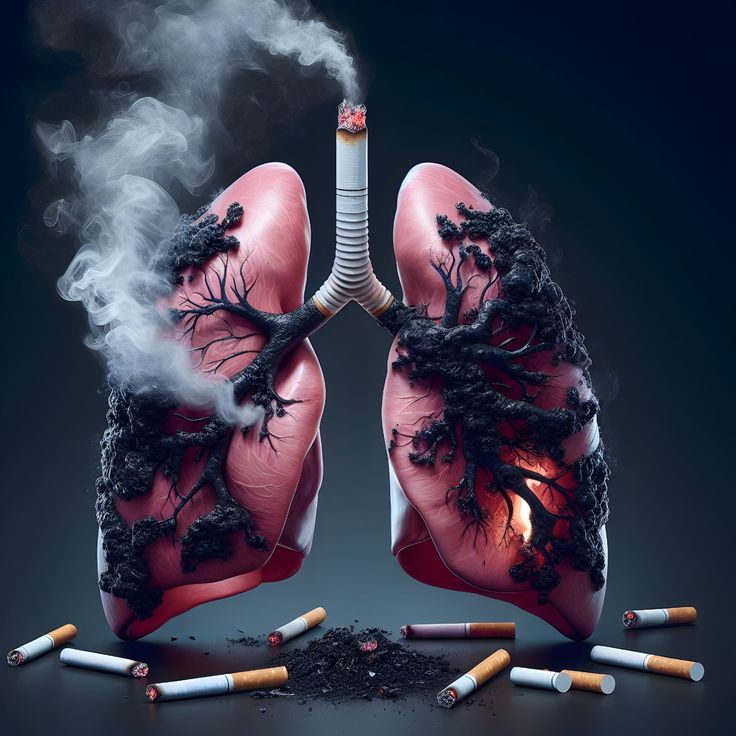
Cardiovascular diseases (CVDs) kill more than 17 million people every year (WHO). Although there is a genetic and age factor involved, lifestyle choices of alcohol and smoking are very important, reversible risk factors. Their adverse effects on the cardiovascular system (heart and blood vessels i.e., arteries and veins) are well known in medical literature.
Smoking and Your Cardiovascular System
According to the CDC and the American Heart Association, smoking is among the leading risk factors for heart and vascular disease. This is how it impacts your cardiovascular system:
1. Endothelial Damage and Atherosclerosis
Smoke from cigarettes holds more than 7,000 chemicals, and several of these chemicals are poisonous. Both nicotine and carbon monoxide harm the endothelial lining of arteries, resulting in inflammation and facilitating the deposition of cholesterol and fat, creating atherosclerosis (striction of arteries).
Source: American Heart Association
2. Increased Heart Rate and Blood Pressure
Nicotine activates the sympathetic nervous system, and this causes a transient elevation in blood pressure and heart rate. With prolonged use, this causes persistent strain on the heart, and this elevates the risk for left ventricular hypertrophy and heart failure.
Source: Journal of the American College of Cardiology
3. Decreased Oxygen Supply
Carbon monoxide prefers to attach to hemoglobin over oxygen, which lowers the transport of oxygen in the blood. This causes the heart to labor harder to supply the body with oxygen, which raises the threat of angina, arrhythmias, and heart attack.
Source: CDC Tobacco Use Report
4. Blood Clot Formation
Smoking raises platelet aggregation and blood viscosity, which encourages the formation of clots. This increases the risk of heart attack and stroke, particularly in those with existing cardiovascular disease.
Source: British Medical Journal (BMJ)
Alcohol and Cardiovascular Risk
The effect of alcohol on cardiovascular health depends on dose. As The Lancet states, there is no safe level of alcohol consumption, particularly when it comes to CVD risk.
1. Hypertension (High Blood Pressure)
Heavy drinking (over 3 drinks daily) is associated with high blood pressure, a leading cause of stroke, heart failure, and coronary artery disease.
Source: American Journal of Hypertension
2. Arrhythmias and “Holiday Heart Syndrome”
Heavy drinking can lead to AFib in healthy people, too. This condition raises stroke risk by allowing blood to stagnate and clot in the atria.
Source: European Heart Journal
3. Alcoholic Cardiomyopathy
Long-term alcohol abuse weakens and dilates the heart muscle (alcoholic cardiomyopathy), compromising its pumping ability. The condition is irreversible unless detected early.
Source: National Institutes of Health (NIH)
4. Elevated Triglycerides
Alcohol contains a high amount of sugar and calories, which can raise blood triglyceride levels and contribute to fat buildup in arteries, leading to atherosclerosis.
Source: American Heart Association Diet & Lifestyle Recommendations
The Fatal Mix: Smoking + Alcohol
Combining both substances has a synergistic effect—aggravating cardiovascular harm above the risk level for each on its own.
Both augment oxidative stress and systemic inflammation, speeding plaque buildup.
Both boost risk for peripheral artery disease (PAD), where constricted leg arteries impede blood flow, most commonly resulting in ulcers or amputation.
The combination considerably increases the rate of stroke, myocardial infarction, and sudden cardiac death.
Steps to Safeguard Your Heart
Early prevention and lifestyle changes are the best strategy. Stopping smoking and reducing alcohol consumption can reverse some of the early cardiovascular changes and lower your long-term risk considerably.
Evidence-Based Recommendations:
Quit Smoking: Try nicotine replacement therapy (NRT), behavioral therapy, or medications prescribed by your doctor such as bupropion or varenicline.
CDC Quitline: 1-800-QUIT-NOW
Reduce Alcohol Consumption: Adhere to guidelines:
Men: No more than 2 drinks/day
Women: No more than 1 drink/day
Source: Dietary Guidelines for Americans, 2020–2025
Routine Screenings: Periodic check-ups such as blood pressure checks, lipid profile, ECG, or 2D echocardiography can identify early alterations in cardiac function.
Cardium’s Holistic Care Strategy
At Cardium, we provide advanced programs for cardiac risk evaluation, vascular screening, and lifestyle advice. Our collaborative team of cardiologists, vascular surgeons, and diabetologists provides personalized, evidence-based treatment to prevent as well as control heart and artery disease in every patient.
Conclusion
Smoking and alcohol are also two of the most preventable causes of vascular and heart disease. Even if you have been using them for a long time, it’s never too late to give them up. For every healthy decision you make today, your heart is made stronger tomorrow.
Leading Cardium is Dr. Rahul Gupta, a distinguished Interventional Cardiologist in Mumbai, recognized for his proficiency in managing complex heart and vascular conditions. With a strong focus on patient-centered care and a wealth of clinical experience, Dr. Gupta specializes in angioplasty, heart failure treatment, and preventive cardiology. Under his expert guidance, Cardium delivers cutting-edge, comprehensive cardiovascular care tailored to each patient’s needs—right in the heart of Mumbai.
Recent Posts
-
 Stem Cell Therapy 2026: Can We Actually Regenerate a Damaged Heart Muscle?
 -
 Pacemakers in 2026: Why the Latest Leadless Devices are Practically Invisible Under the Skin
 -
 The 10-Minute TMT: What Your Stress Test Result Actually Says About Your 10-Year Heart Risk
 -
 How Advanced Heart Care is Giving Pune’s Grandparents a Second Lease on Life
 -
 Stent vs. Bypass: How AI-Guided Imaging Helps Dr. Rahul Gupta Make the “Perfect” Choice for You