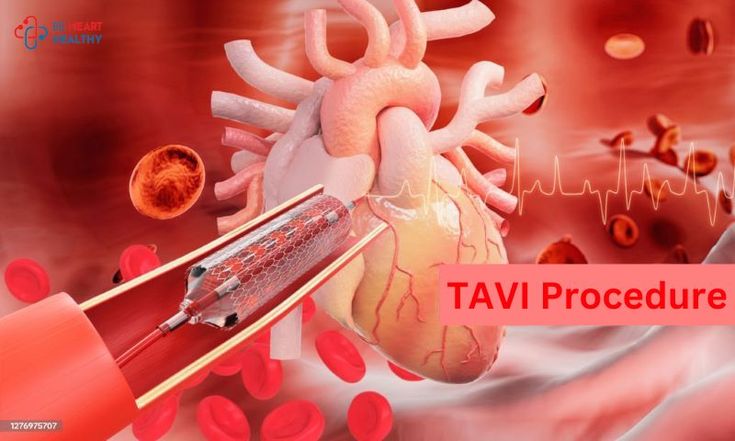
Heart valve disease is a serious condition that affects the flow of blood through the heart. The heart contains four valves, each responsible for ensuring that blood flows in the right direction. When one or more of these valves malfunction, it can lead to serious complications, including heart failure. Traditionally, the treatment for severe valve disease has been open-heart surgery. However, in recent years, a revolutionary procedure known as TAVI (Transcatheter Aortic Valve Implantation) has emerged as a less invasive alternative. This procedure offers hope to patients who might not be candidates for traditional surgery due to age, frailty, or other underlying health conditions.
What is TAVI?
Transcatheter Aortic Valve Implantation (TAVI) is a minimally invasive procedure used to treat severe aortic stenosis, a type of heart valve disease where the aortic valve becomes narrowed and prevents the heart from pumping blood efficiently. The procedure involves implanting a new valve into the heart through a catheter, typically inserted into a blood vessel in the leg or chest, bypassing the need for open-heart surgery.
The TAVI procedure is designed to provide relief to patients who are at high risk for surgery. This is especially important for elderly patients or those with other health issues that make them poor candidates for the traditional open-heart approach.
The Advantages of TAVI
1. Minimally Invasive
One of the main advantages of TAVI over traditional open-heart surgery is that it is minimally invasive. The procedure involves inserting a catheter through a small incision, which eliminates the need for large cuts or the opening of the chest. This significantly reduces recovery time and the risk of complications associated with surgery.
2. Shorter Recovery Time
Traditional heart surgery often requires a lengthy recovery period in the hospital and at home, typically several weeks to months. With TAVI, most patients can return to their normal activities much sooner. Many patients are able to leave the hospital within 48 to 72 hours after the procedure, making it a more convenient option for those with busy lives or multiple health concerns.
3. Lower Risk of Complications
For patients with severe aortic stenosis, TAVI presents a safer option than open-heart surgery, especially for those who have comorbid conditions such as diabetes, lung disease, or previous strokes. Because the procedure is less invasive, the risks associated with anesthesia and the stress of surgery are reduced.
4. Improved Quality of Life
By treating aortic stenosis, TAVI can help relieve symptoms such as shortness of breath, fatigue, and chest pain. Many patients report a significant improvement in their overall quality of life, as the heart can function more efficiently and the symptoms associated with the condition are alleviated.
Who are the Patients for TAVI?
TAVI is primarily recommended for patients who suffer from severe aortic stenosis and are at high or intermediate risk for traditional heart surgery. These include:
- Older Adults: Elderly patients are often more frail and may have other health conditions that make open-heart surgery too risky.
- Patients with Other Health Conditions: Those with conditions such as lung disease, kidney disease, or obesity may not be able to tolerate the stress of open-heart surgery.
- High-Risk Surgical Candidates: Some individuals may not be able to undergo traditional surgery due to medical complications that increase the risk of a poor outcome.
The TAVI Procedure: What to Expect
The TAVI procedure is typically performed under local anesthesia with mild sedation. During the procedure, the doctor will insert a catheter into a blood vessel, often through the groin, and guide it toward the heart. Once in place, the new aortic valve is implanted using a balloon catheter or another method, which pushes the old, damaged valve aside and replaces it with the new one.
After the procedure, patients are monitored for a short time to ensure there are no complications, and most can return to their homes within a few days.
Risks of TAVI
Although TAVI is considered a safer alternative to open-heart surgery, it is not without risks. Some potential complications include:
- Infection at the incision site.
- Bleeding due to the catheter insertion.
- Stroke, although this is rare.
- Valve complications if the new valve doesn’t function as expected.
However, the overall risks associated with TAVI are significantly lower compared to those of open-heart surgery, especially for high-risk patients.
Conclusion
TAVI represents a significant advancement in the treatment of heart valve disease, providing a safer and less invasive option for patients who would otherwise face the risks of traditional surgery. With its shorter recovery times, lower complication rates, and improved outcomes, TAVI has revolutionized the treatment of aortic stenosis.
If you or a loved one is experiencing symptoms of aortic stenosis, such as shortness of breath, chest pain, or dizziness, it’s important to seek expert care. Dr. Rahul Gupta, a leading cardiologist at Cardium Advanced Heart Care Clinic, specializes in heart disease management and innovative treatments like TAVI. Located in Pune, Dr. Gupta offers comprehensive care and cutting-edge procedures to ensure the best possible outcomes for his patients.
Taking proactive steps to manage heart health can improve quality of life and reduce the risk of serious complications. Contact Dr. Rahul Gupta at Cardium Advanced Heart Care Clinic today to discuss whether TAVI is the right treatment for you.
Recent Posts
-
 Stem Cell Therapy 2026: Can We Actually Regenerate a Damaged Heart Muscle?
 -
 Pacemakers in 2026: Why the Latest Leadless Devices are Practically Invisible Under the Skin
 -
 The 10-Minute TMT: What Your Stress Test Result Actually Says About Your 10-Year Heart Risk
 -
 How Advanced Heart Care is Giving Pune’s Grandparents a Second Lease on Life
 -
 Stent vs. Bypass: How AI-Guided Imaging Helps Dr. Rahul Gupta Make the “Perfect” Choice for You