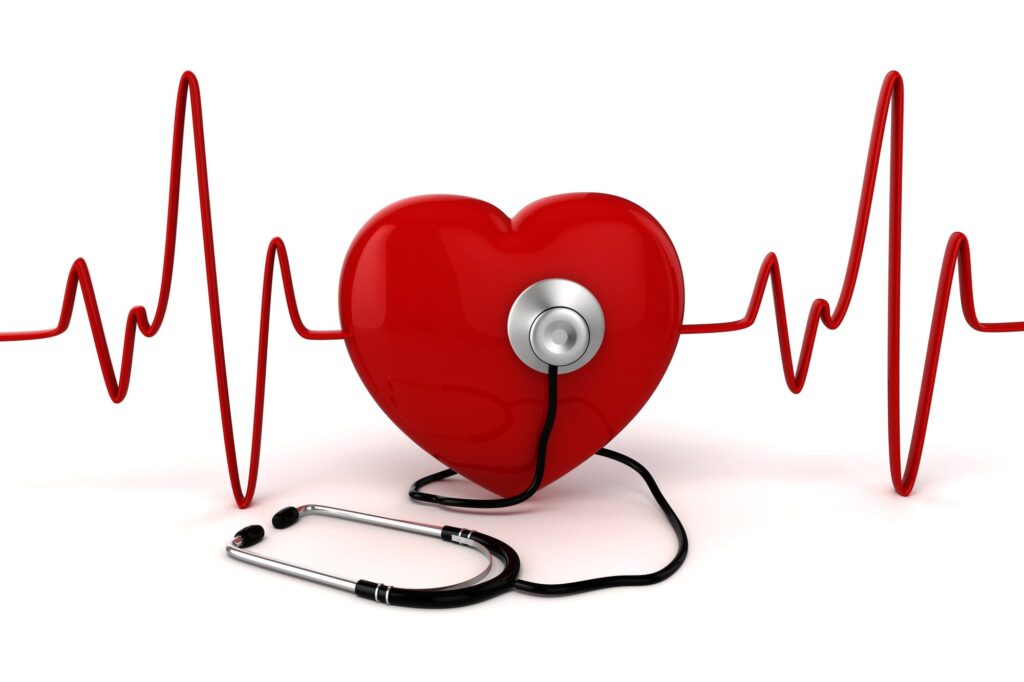
Having a heart attack is a life-changing experience—physical, emotional, and mental. But the follow-up care you receive after you are discharged from the hospital is equally important to the emergency treatment you have been through. That’s where cardiac rehabilitation (cardiac rehab) is needed. At Cardium Advanced Heart Care Clinic, we consider cardiac rehab as a vital pillar of rehabilitation—enabling patients to not only survive, but actually live better after a heart attack.
Cardiac rehabilitation is not just an exercise program. It’s a medically supervised, organized plan that blends physical exercise, education, counseling, and lifestyle guidance to repair heart function and lower the chance of subsequent cardiac events.
- What is Cardiac Rehabilitation?
Cardiac rehab is usually a multi-phase program for patients who are recovering from: - Heart attack (myocardial infarction)
- Angioplasty or stent procedure
- Coronary artery bypass surgery (CABG)
- Valve replacement or repair
- Heart failure or other cardiac problems
The program typically comprises three phases:
- Initial Phase (Inpatient): It starts within the hospital, with early mobilization and education.
- Second Phase (Outpatient): Organized program with monitored exercise sessions, lifestyle education, and psychosocial support.
- Maintenance Phase: Regular self-administered fitness and lifestyle maintenance with check-ups.
1. Quicker Recovery and Better Physical Fitness
Following a heart attack, most patients feel tired, weak, and apprehensive about resuming routines. Cardiac rehab offers supervised exercise sessions adapted to your current health status. This not only strengthens your heart and muscles but also increases stamina and energy levels.
Participants progressively gain confidence in their body’s abilities, enabling them to return to routines more rapidly and safely.
2. Decreased Risk of Future Heart Events
Research indicates that those who undergo cardiac rehab are as much as 25% less likely to have another heart attack than those who do not. Why? Because rehab addresses the primary causes of heart disease:
- High blood pressure
- High cholesterol
- Poor nutrition
- Smoking
- Lack of physical activity
- Obesity and diabetes
By mitigating these risk factors through individualized attention, cardiac rehab enables you to take proactive measures towards long-term heart wellness.
3. Education That Empowers
Knowledge is power—particularly when it involves heart health. Cardiac rehabilitation programs offer in-depth guidance on:
- Nutrition and heart-healthy eating
- Medication management and compliance
- Identifying warning signs of heart trouble
- Understanding your condition and managing it
Equipped with this information, patients are able to make informed decisions that aid their recovery and decrease dependency on future interventions.
4. Emotional and Psychological Support
A heart attack doesn’t merely impact your physical body—it destabilizes your emotional core. It’s common to experience fear, anxiety, depression, and a sense of helplessness following such a life-altering event. Cardiac rehabilitation addresses the emotional recovery component through the provision of: - Counseling sessions
- Support groups
- Stress-reduction methods (yoga, meditation, deep breathing)
Such emotional support is essential to the recovery process because mental wellness directly affects physical recuperation and the health of one’s heart.
5. Lifestyle Coaching for Long-Term Success
Habits are difficult to change—but cardiac rehab gives you the support framework to make it manageable. From stopping smoking to losing weight or cutting down on salt, you’ll get guidance specifically for your lifestyle, taste, and limitations.
Rehab coaches and registered dietitians work with you to set achievable, long-term goals, so that the changes you make become part of your new heart-healthy lifestyle, not just short-term fixes.
6. Quality of Life
A often-overlooked benefit of cardiac rehabilitation is its profound impact on overall quality of life.Most patients experience improved sleep, more energy, better mood, improved sexual function, and an increased feeling of mastery over their lives.
You don’t have to be a victim of a heart attack—it can be a wake-up call that leads to living better.
7. Monitoring and Follow-Up Long-term
Even after official rehab sessions are over, ongoing support and long-term follow-up keep you on track. At Cardium, we offer patients regular check-ins, health monitoring tools, and access to our cardiac specialists for ongoing advice.
- Why Choose Cardium for Cardiac Rehab?
At Cardium Advanced Heart Care Clinic, our cardiac rehabilitation program is founded on: - Comprehensive care led by experts across cardiology, physiotherapy, psychology, and nutrition.
- State-of-the-art facilities for monitored workouts and diagnostics
- A personalized, compassionate approach that meets each patient where they are
- Whether you’re fresh out of the hospital or months into recovery, it’s never too late to start.
- SUMMARY
A heart attack is not the end—it’s a chance to recover stronger. Cardiac rehabilitation at Cardium Advanced Heart Care Clinic bridges the gap between survival and lasting wellness through expert-guided recovery and risk reduction.Led by renowned interventional cardiologist Dr. Rahul Gupta, Cardium offers personalized rehab programs in Navi Mumbai and Pune, combining medical supervision, lifestyle coaching, and emotional support.
Recent Posts
-
 Stem Cell Therapy 2026: Can We Actually Regenerate a Damaged Heart Muscle?
 -
 Pacemakers in 2026: Why the Latest Leadless Devices are Practically Invisible Under the Skin
 -
 The 10-Minute TMT: What Your Stress Test Result Actually Says About Your 10-Year Heart Risk
 -
 How Advanced Heart Care is Giving Pune’s Grandparents a Second Lease on Life
 -
 Stent vs. Bypass: How AI-Guided Imaging Helps Dr. Rahul Gupta Make the “Perfect” Choice for You