Supported by references such as American Heart Association (AHA), Mayo Clinic, Cleveland Clinic, and National Heart, Lung, and Blood Institute (NHLBI)
Cholesterol is a key factor in heart health, but myths and misconceptions tend to surround it. Understanding the facts about cholesterol can guide you in making heart-wise decisions and lowering your risk of cardiovascular disease.
At Cardium Heart Care Clinic, Mumbai, with Dr. Rahul Gupta’s guidance, we at Cardium Heart Care Clinic, Mumbai, advocate offering our patients evidence-based information that empowers and safeguards. Here’s the reality about popular cholesterol myths — and what really counts for your heart.
Myth1: All Cholesterol Is Bad
Fact: Your body needs cholesterol to work efficiently.
Cholesterol is a waxy lipid in all cells. It’s crucial for:
Building cell membranes
Producing hormones (such as estrogen and testosterone)
Producing vitamin D
Producing bile acids for digestion
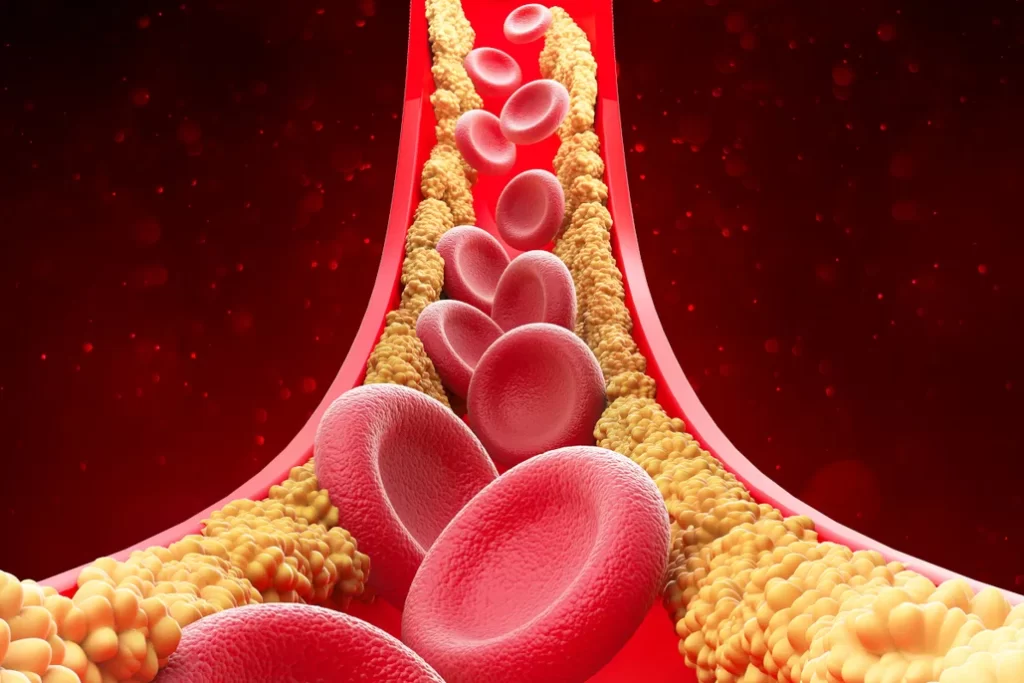
Your liver produces all the cholesterol your body requires. The issue comes when there’s excess LDL (“bad”) cholesterol in your blood, which leads to the deposit of plaque on arteries (atherosclerosis).
Source: American Heart Association (AHA)
Myth 2: High Total Cholesterol = High Risk
Fact: It’s the type of cholesterol that counts — not the total amount.
Cholesterol is categorized into:
LDL (Low-Density Lipoprotein): Also referred to as “bad cholesterol”, it is able to transport to artery walls and narrow them.
HDL (High-Density Lipoprotein): Described as “good cholesterol”, it aids in the elimination of LDL from the blood.
Triglycerides: A type of fat whose high level raises the risk of heart disease
Although your overall cholesterol may be in balance, an elevated LDL or low HDL is hazardous.
Source: Mayo Clinic, Cleveland Clinic
Myth3: Consuming Cholesterol-Rich Foods Increases Your Cholesterol Level
Reality: Saturated and trans fats are more influential than dietary cholesterol.
Foods such as eggs and shellfish were once accused of elevating blood cholesterol. However, research indicates that for the majority of individuals, dietary cholesterol has little influence on blood levels. Instead:
Saturated fats (from red meat, butter, whole-fat dairy)
Trans fats (from bakery items, processed snacks)
…are the biggest dietary contributors to elevated LDL levels.
Source: Dietary Guidelines Advisory Committee, Harvard School of Public Health
Myth4: Only Overweight Individuals Have High Cholesterol
Fact: Disorders of cholesterol can exist in people of any weight or body habitus.
Being overweight is a recognized risk factor. Nonetheless, congenital diseases like familial hypercholesterolemia can cause dangerously high levels of LDL in thin, young, or active individuals.
That’s why everyone — not just those who are overweight — needs to have their cholesterol measured regularly.
Source: National Heart, Lung, and Blood Institute (NHLBI)
Myth 5: If You’re on Medication, You Don’t Need to Change Your Lifestyle
Fact: Cholesterol-lowering medicines like statins are very effective, but you still need to make lifestyle changes.
Medicines to lower cholesterol are very effective but work best when teamed with heart-healthy habits such as:
Healthy diet (high in fiber, fruits, whole grains, and healthy fats)
Exercise regularly
Stopping smoking
Drinking in moderation
Stress management
Missing these modifications can limit medication effectiveness and increase your risk of other heart diseases.
Source: American College of Cardiology (ACC), Mayo Clinic
Myth 6: You’ll Know If You Have High Cholesterol Based on Symptoms
Fact: High cholesterol usually does not have symptoms.
High cholesterol is sometimes also called a “silent risk factor”. It is not painful and does not disturb, and often it is only detected after a stroke or heart attack.
Only with a blood test (lipid profile) can high cholesterol be found.
Source: AHA, CDC
What Truly Matters for Heart Health
Cholesterol is just one component of the risk formula for heart disease. Here’s how to take control of your cardiovascular health:
Know Your Numbers
A lipid profile will test:
Total cholesterol
LDL
HDL
Triglycerides
Cholesterol/HDL ratio
Have yourself tested every 4-6 years if you’re healthy, or more often if you have risk factors.
Adopt Heart-Healthy Habits
Use unsaturated fats (olive oil, nuts, avocado)
Boost fiber consumption (whole grains, legumes, veggies)
Be physically active
Sleep 7–8 hours each night
Avoid fried and processed foods
Conclusion
Cholesterol is not the villain — lack of understanding is. With proper information, regular screening, and appropriate treatment, high cholesterol is both preventable and manageable. Don’t wait for symptoms to appear — because by the time they do, the damage may already be done.
If you haven’t recently had your cholesterol levels checked, or if you’re unsure about your heart health status, now is the right time to act.
At Cardium Heart Care Clinic, located in Dadar West, Mumbai, Dr. Rahul Gupta, a leading Interventional Cardiologist, offers expert diagnosis and treatment for all cholesterol-related and cardiovascular conditions. With a specialization in coronary artery disease, complex angioplasty, stent placement, structural heart interventions, and preventive cardiology, Dr. Gupta provides personalized, evidence-based care to help you achieve and maintain a healthy heart.
Recent Posts
-
 How Advanced Heart Care is Giving Pune’s Grandparents a Second Lease on Life
 -
 Stent vs. Bypass: How AI-Guided Imaging Helps Dr. Rahul Gupta Make the “Perfect” Choice for You
 -
 The “Wrist-First” Advantage: Why Radial Angiography Means You Can Walk Out the Same Day
 -
 Valve Repair Without the Scar: Why TAVI is the New Gold Standard for Pune’s Seniors
 -
 Biohacking Stress: Can Pune’s Corporate Professionals Use Vagus Nerve Stimulation to Protect Their Hearts?