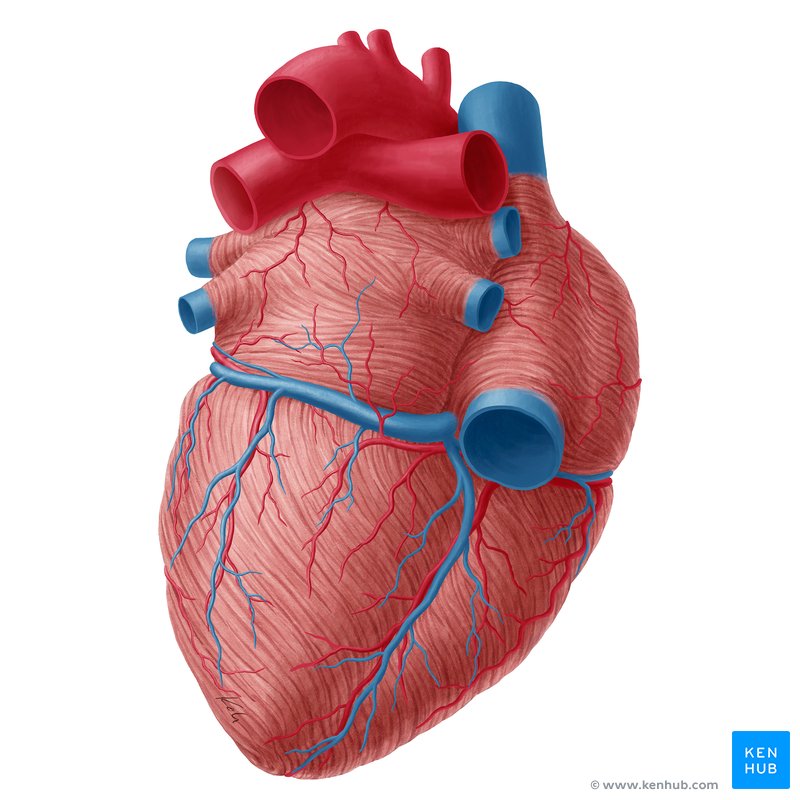
Blocked heart arteries—also known as coronary artery disease (CAD)—are the most common cause of heart attacks. According to the World Health Organization (WHO), cardiovascular diseases are the leading cause of death globally, with CAD responsible for over 9 million deaths every year.
The good news? Most heart attacks are preventable. One of the best ways to stay safe is to recognize the early symptoms of a blocked artery and seek timely care.
What Causes a Blocked Artery?
A blocked artery typically occurs due to a condition called atherosclerosis—the buildup of fatty deposits (plaque) inside the artery walls. Over time, plaque hardens and narrows the coronary arteries, reducing blood flow to the heart muscle.
Major risk factors for coronary artery disease include:
- High blood pressure (hypertension)
- High LDL cholesterol (dyslipidemia)
- Diabetes or insulin resistance
- Smoking
- Sedentary lifestyle
- Obesity
- Unhealthy diet
- Chronic stress
- Family history of heart disease
(Source: American Heart Association, Mayo Clinic)
Early Warning Signs You Shouldn’t Ignore
1. Chest Discomfort (Angina)
The most classic sign of blocked arteries is chest pain or pressure. It can feel like:
- Tightness, heaviness, or burning
- Pain that radiates to the left arm, jaw, or back
- A squeezing feeling in the center or left side of the chest
It usually appears during physical activity or stress and improves with rest.
(Source: Cleveland Clinic)
2. Shortness of Breath
Shortness of breath can occur even without chest pain, especially during exertion. This can be an early sign that your heart isn’t pumping efficiently due to restricted blood flow.
(Source: National Heart, Lung, and Blood Institute – NHLBI)
3. Excessive Fatigue
Unexplained tiredness, particularly in women, may signal an early blockage. Fatigue is often overlooked, but it can indicate that the heart is struggling to meet the body’s demands.
(Source: Harvard Health)
4. Pain in Other Areas
Blocked arteries can cause pain or discomfort in areas beyond the chest:
- Arms (usually left arm)
- Jaw or neck
- Upper abdomen
- Upper back
This pain may come and go or worsen with activity.
(Source: American College of Cardiology)
5. Cold Sweats
Sudden or excessive sweating — particularly without physical exertion — may suggest cardiac stress or the beginning of a heart attack.
6. Nausea or Dizziness
These symptoms can occur due to reduced oxygen supply to the brain and other organs and are more common in women.
7. Heart Palpitations
Irregular heartbeat, fluttering, or a racing sensation may suggest that the heart is under strain from insufficient blood supply.
Why Early Detection Matters
According to the AHA, a complete blockage of an artery can lead to myocardial infarction (heart attack), which causes permanent damage to heart muscle. But when caught early, CAD can be managed or reversed with:
- Lifestyle changes
- Medications
- Interventional procedures like angioplasty or stenting
At Cardium Heart Care Clinic, Mumbai, we specialize in timely diagnosis using coronary angiography and offer minimally invasive treatments like angioplasty and stent placement for optimal outcomes.
When to See a Cardiologist
Seek immediate consultation if you experience:
- Recurring chest pain or pressure
- Breathlessness during light activity
- Fatigue, especially if new or worsening
- Palpitations or irregular heartbeat
- Chest discomfort with radiation to arm or jaw
These may be early indicators of CAD. Even if symptoms are mild, early evaluation could save your life.
Prevention Is the Best Protection
Evidence-based ways to reduce your risk of artery blockages:
- Eat heart-healthy foods (fruits, vegetables, lean protein, omega-3 fats)
- Exercise regularly (at least 150 minutes/week of moderate activity)
- Quit smoking
- Maintain healthy weight and blood pressure
- Manage stress and sleep
- Get annual checkups and lipid panels if over age 40 or with family history
(Source: European Society of Cardiology, CDC)
Conclusion
Blocked arteries rarely develop overnight. The symptoms can be subtle, but they carry a strong message — your heart needs help.
Dr. Rahul Sawant is a leading Interventional Cardiologist in Mumbai with extensive experience in treating complex coronary artery disease, heart failure, and structural heart conditions. He specializes in procedures like angioplasty, stenting, pacemaker implantation, TAVI, MitraClip, and peripheral angioplasty. Known for his patient-centric approach and clinical excellence, Dr. Sawant is committed to delivering world-class cardiovascular care using the latest technology and evidence-based practices.
Recent Posts
-
 Stem Cell Therapy 2026: Can We Actually Regenerate a Damaged Heart Muscle?
 -
 Pacemakers in 2026: Why the Latest Leadless Devices are Practically Invisible Under the Skin
 -
 The 10-Minute TMT: What Your Stress Test Result Actually Says About Your 10-Year Heart Risk
 -
 How Advanced Heart Care is Giving Pune’s Grandparents a Second Lease on Life
 -
 Stent vs. Bypass: How AI-Guided Imaging Helps Dr. Rahul Gupta Make the “Perfect” Choice for You