Sitting is the New Smoking: 5 Simple “Desk-Fixes” to Lower Your Heart Rate During a 10-Hour Shift
You survived the brutal morning commute, grabbed your essential second cup of coffee, and finally settled into your plush, ergonomic office chair. Ten hours later, you log off, exhausted but accomplished. You haven’t touched a cigarette, you skipped the office donuts, and you didn’t do anything explicitly “unhealthy.”
Yet, as you pack your bag to leave, your cardiovascular system might have just endured the physiological equivalent of chain-smoking.
For the modern corporate professional—whether you are navigating the high-stakes financial districts of Mumbai or coding in the bustling IT parks of Navi Mumbai—the chair has become a silent hazard. We have engineered movement completely out of our workdays. But while the phrase “sitting is the new smoking” sounds like a dramatic marketing tagline, clinical cardiology and metabolic research confirm it is a devastating reality.
If your daily routine involves 8 to 12 hours of being anchored to a desk, understanding the mechanics of sedentary strain and implementing proactive “desk-fixes” is no longer optional. It is a biological necessity.
The Science of the Sit: Why Your Heart Hates Your Desk
To understand how to fix the problem, we must first look at what happens inside your body when you sit down for a prolonged period. The damage isn’t just about burning fewer calories; it is a fundamental disruption of your cardiovascular mechanics.
Recent systematic reviews and metabolic studies highlight a cascade of negative effects triggered by prolonged immobility:
- The Lipoprotein Lipase Crash: Within just a few hours of sitting, the production of lipoprotein lipase—an essential enzyme in your blood vessels that breaks down fat—drops by a staggering 90%. When this enzyme stalls, triglycerides (fats) linger in your bloodstream, paving the way for arterial plaque.
- Endothelial Dysfunction: The endothelium is the delicate inner lining of your blood vessels. Prolonged sitting causes blood to pool in your lower extremities. This sluggish blood flow increases friction and stress on the endothelium, initiating a harmful inflammatory response that stiffens your arteries over time.
- Elevated Resting Heart Rate: When you are hunched over a keyboard, your breathing becomes shallow and your posture collapses. This puts subtle, continuous physical stress on your body, prompting a low-grade release of cortisol and adrenaline. The result? Your resting heart rate creeps up, forcing your heart to work harder even when you are ostensibly “resting” in your chair.
You cannot quit your job, and you cannot dismantle your desk. But you can hack your 10-hour shift to protect your heart.
[Suggested Multimedia: An animated infographic showing the difference in blood circulation between a person sitting hunched over and a person performing a standing stretch.]
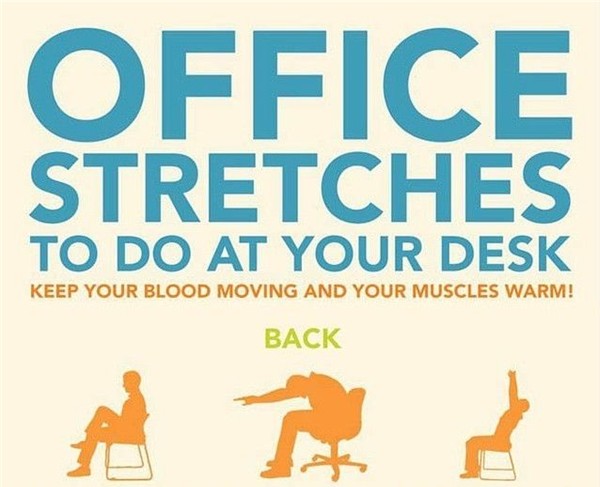
5 Simple “Desk-Fixes” to Lower Your Heart Rate and Boost Circulation
These are not intense workouts that will leave you sweating in your formal wear. These are scientifically backed, micro-interventions designed to keep your cardiovascular system engaged and your resting heart rate optimized throughout your shift.
- Master the 20-8-2 Rule
The human body thrives on rhythmic transitions. Relying solely on a standing desk isn’t a magic bullet (standing completely still for 10 hours comes with its own vascular issues). Instead, adopt the 20-8-2 cycle recommended by occupational health experts:
- Sit for 20 minutes in a supportive posture.
- Stand for 8 minutes at your desk.
- Move for 2 minutes (walk to the water cooler, do a lap around the office, or climb a flight of stairs).
This constant transition acts as a mechanical pump, continuously flushing blood back up to your heart and preventing vascular pooling in your calves.
- Implement “Tactical” Diaphragmatic Breathing
When staring at screens, most professionals fall into a pattern of “screen apnea”—shallow, chest-based breathing or unconsciously holding their breath. This signals a state of panic to your autonomic nervous system, spiking your heart rate and blood pressure.
- The Fix: Set a silent alarm for every 90 minutes. Perform 2 minutes of box breathing (Inhale for 4 seconds, hold for 4, exhale for 4, hold for 4). Focus on expanding your stomach, not your chest. This directly stimulates the vagus nerve, which acts as the brake pedal for your heart, instantly lowering your heart rate and neutralizing stress hormones.
- The “Invisible” Isometric Leg Pump
If you are trapped in a three-hour marathon meeting and cannot stand up, you can still force your cardiovascular system to work efficiently using isometric contractions.
- The Fix: While seated with your feet flat on the floor, lift your heels as high as you can and squeeze your calf muscles tightly for 5 seconds, then release. Repeat this 15-20 times. Your calf muscles are often referred to as the “second heart” because their contraction forcefully pumps venous blood back up to your chest, relieving the workload on your actual heart.
- Hydration as a Heart-Rate Regulator
Dehydration thickens your blood. Viscous, thick blood forces your heart to pump significantly harder to push oxygen through your capillaries, elevating your resting heart rate.
- The Fix: Keep a 1-liter water bottle on your desk and mandate that it must be empty by lunchtime, and refilled and emptied again by the time you log off. The added cardiovascular bonus? It forces you to get up and walk to the restroom every few hours, naturally enforcing movement.
- Ergonomic Posture Corrections
A slouched posture physically compresses the chest cavity, restricting lung expansion and placing mechanical pressure on the heart and major blood vessels.
- The Fix: Adjust your monitor so the top third of the screen is precisely at eye level. Keep your shoulders pulled back and down, and ensure your knees are bent at a 90-degree angle. By simply opening up your chest cavity, you reduce the physical resistance your heart faces with every single beat.
FAQ: Answering Your Heart Health Concerns
Q: I work out for an hour every morning. Does that cancel out my 10 hours of sitting?
A: Surprisingly, no. While a morning workout is fantastic for your overall fitness, clinical studies show that 60 minutes of exercise cannot completely reverse the metabolic damage of being completely sedentary for the next 10 to 12 hours. The key is frequent, low-intensity movement sprinkled throughout the day, in addition to your structured workouts.
Q: Are standing desks actually better for my heart?
A: They are a great tool, but they aren’t a cure-all. Standing burns slightly more calories and improves posture, but prolonged static standing can lead to varicose veins and lower back pain. The ultimate goal is movement and posture variation, not just replacing sitting with standing.
Q: How do I know if my sitting habits have already caused heart damage?
A: Cardiovascular issues are famously silent. You will not feel plaque building up or your endothelial function declining. The only definitive way to know your exact cardiovascular status is through professional, comprehensive clinical screenings, including advanced lipid profiling, ECGs, and stress tests.
Take the Next Step for Your Cardiovascular Future
Implementing these daily desk-fixes will dramatically improve your day-to-day energy, focus, and cardiovascular mechanics. However, if you have spent years immersed in the high-stress, highly sedentary corporate lifestyle, proactive screening is your strongest line of defense. You meticulously maintain your car and upgrade your technology; your heart deserves the same level of precise, authoritative care.
For young professionals and seasoned executives alike, relying on expert cardiological guidance is crucial. Clinics that prioritize preventive cardiology and lifestyle medicine can help you decode your unique risk factors before they become emergencies.
To take control of your heart health with world-class diagnostics and personalized care plans, connect with the specialists at Cardium. Their expert team understands the unique pressures of the modern professional lifestyle and provides actionable, clinical strategies to keep your heart performing at its peak. Explore their specialized services and secure your cardiovascular future at Cardium Heart Care.
Don’t let your desk dictate your health span. Stand up, breathe deep, and take charge of your heart today.
Ready to Prioritize Your Heart?
Premium, authoritative cardiovascular care is right in your neighborhood. Schedule your comprehensive evaluation today:
Dr. Rahul Gupta Cardium Heart Care
Address: Shop No. 1 & 2, Intercity CHS, Swami Samarth Marg, behind Fire Brigade, Juhu Nagar, Sector-16, Vashi, Navi Mumbai, Maharashtra 400703
Phone no: 09869325666
Recent Posts
-
 Stem Cell Therapy 2026: Can We Actually Regenerate a Damaged Heart Muscle?
 -
 Pacemakers in 2026: Why the Latest Leadless Devices are Practically Invisible Under the Skin
 -
 The 10-Minute TMT: What Your Stress Test Result Actually Says About Your 10-Year Heart Risk
 -
 How Advanced Heart Care is Giving Pune’s Grandparents a Second Lease on Life
 -
 Stent vs. Bypass: How AI-Guided Imaging Helps Dr. Rahul Gupta Make the “Perfect” Choice for You